QuickBooks Blog
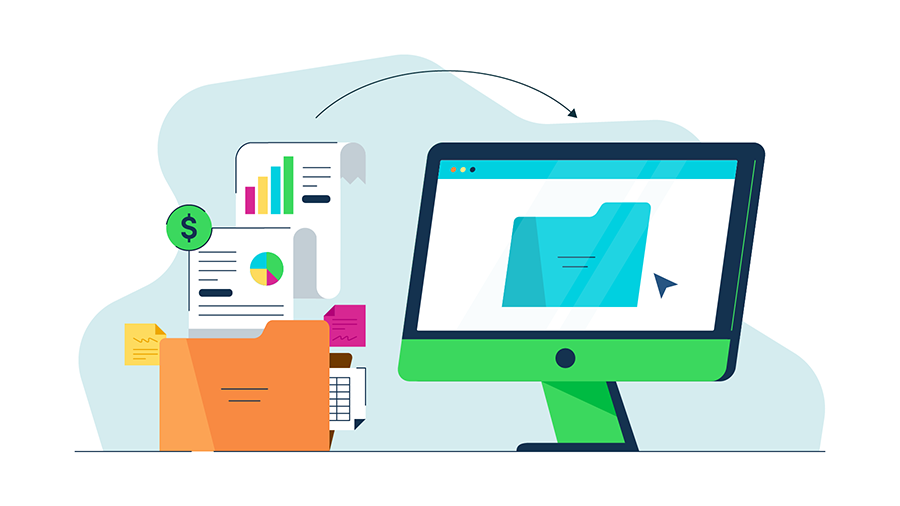
An illustration of how to apply for a sales tax license.
taxes

Sales tax license: What is it, do you need one, and how to apply for one?


Everything you need to know about sales tax license:

  • A sales tax licenseis an agreement with a state tax agency to collect and remit sales tax for items your business sells.
  • In 2026, most businesses trigger a license requirement through sales volume (economic nexus), not just physical locations.
  • If you sell on platforms like Amazon or Etsy, the platform may collect tax for you, but you likely still need a state license.
  • You must file sales tax returns (even zero-dollar returns) as long as your license is active.


While consumers may complain about sales taxes, it can also be a hurdle for business owners. If you’re selling just about anything, you’ll need to collect sales tax and send it to the appropriate state tax agency.

Knowing how to collect sales tax, what a sales tax license is, and when to amend your license is key to launching a new business. Here’s all the information you need to know:

Jump to:

How a sales tax license works

A sales tax license, also known as a seller's permit or sales tax permit, is a document that lets you collect sales taxes on taxable goods or services. You need this license ‌if your business sells goods or services subject to sales tax.

The process of obtaining a sales tax license typically begins with contacting the state agency responsible for issuing such permits. Each state may have a different agency and application process, so it is essential to research and locate the correct agency for the state where you operate.

Sales tax license criteria

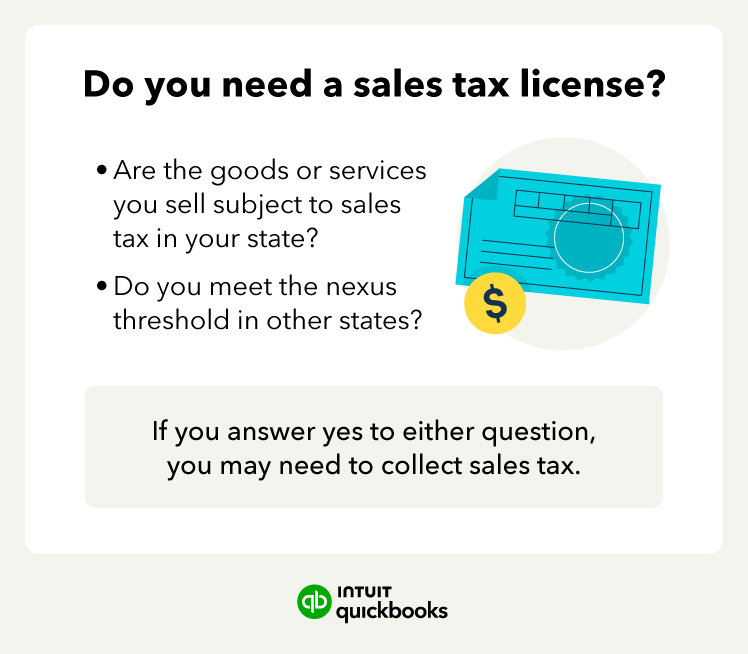
A sales tax license is a must if you form a sales tax nexus with a state that collects sales taxes. A tax nexus is a connection, such as a physical location, between your business and the state or local government that triggers the requirement for collecting sales tax.

Having a nexus or connection like a physical presence in a state and not obtaining a sales tax license can result in hefty fines, legal battles, and the complete closure of your business. Essentially, it’s important to register and collect when you meet the qualifications.

Multistate sales tax license

Like many business permits and licenses, a sales tax license is state-specific. You need one for each state where you do business. In other words, you’ll need a sales tax license for each state where you have a physical presence or engage in taxable sales. So, businesses need to obtain a separate license for each state they operate in.

If you have a physical sales presence in a certain state, you will have to collect and pay sales taxes for that state. Any physical location that you sell from—such as a small retail space or a vendor stand at a market—or any area where you keep inventory is a physical presence.


Your accounting, your taxes. All in one place.

Save time by seamlessly moving from books to taxes in QuickBooks, then file your return with unlimited expert help and your maximum refund.*

Sales tax license for online businesses

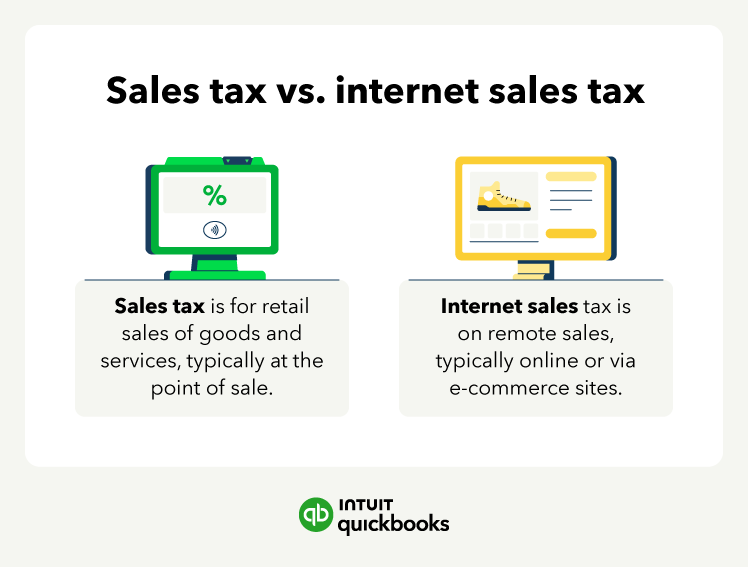
For businesses that are entirely online, you may not have to charge a sales tax, but you will likely need to charge an internet sales tax. This tax, also known as a sales and use tax, generally complements a sales tax, meaning it’s at the same rate as the sales tax. You must collect internet sales tax for states where you operate or have a nexus.

The difference between sales tax and internet sales tax

A nexus can be physical or economic. You have a physical nexus when your online business has a physical presence in the state, such as an employee selling goods or your drop shipper having a location there. An economic nexus is when your business surpasses a threshold of revenue or transactions in that state.

You may need to collect sales taxes for your state, but businesses planning to operate across state lines or sell to consumers in certain states will likely need a license. You can also use a sales tax calculator to help determine your rate.

You should also be aware of marketplace facilitator laws. If you sell exclusively through a marketplace (like Shopify, Amazon, or eBay), the platform often collects and remits the tax for you.

However, most states still require you to register for your own sales tax license to report those sales, even if no tax is due from you directly.

How to apply for a sales tax license?

When a business has a connection with a state, generally, the business must register to calculate, collect, and remit sales taxes. Note that what qualifies as a connection can vary by state.

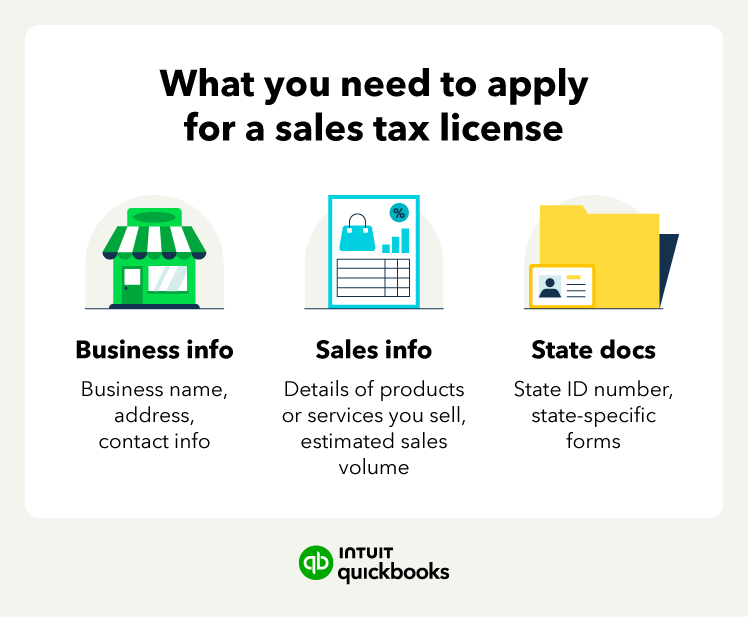
Applying for a sales tax license usually involves filling out an application form that requests information about the business, such as its business structure type, business name, address, and contact details.

A list of what is needed to apply for a sales tax license

Additionally, the business owner may need to provide their Social Security number or employer identification number (EIN), as well as details about the goods or services the business sells.

At the state level, it’s generally best practice to check with the sales tax agency ‌‌for each state.

When to amend or destroy your sales tax license

Applying for and getting a sales tax license is not a one-and-done deal. Most states require businesses to amend or update their sales tax license if their business details change.

You’ll have to amend your sales tax license after any of the following changes:

  • Business name or address
  • Business locations
  • Owner or officer

Note that some changes require a new license. For example, the state will issue a new license if the business changes its name. Alternatively, when business details change but do not appear on the license, like a business telephone number, the state will not typically issue a new license.

You generally must surrender or destroy your license if, among other reasons, you:

  • Stop doing business
  • Sell, transfer, or assign your business to another party
  • Change the form of your business (for example, from a sole proprietorship to a single-member LLC)

You’re responsible for filing your sales tax returns until de-registration is complete, even though the return will be for zero dollars. Failure to file even a zero-dollar return could result in collection issues or penalties.

Smarter automation. Expert support.

From clean books to more leads, QuickBooks agents work for you when you need them.

Transactions that are exempt from sales tax

While a sales tax license permits you to collect sales tax, a sales tax certificate (or a sales tax exemption certificate) actually exempts you from paying sales tax. It’s a type of certificate that grants businesses exemption from paying sales taxes on purchasing select items in select situations.

For example, if you run a business in retail sales, you can’t apply for an exemption on a new cash register, as it’s something you use in your primary operations. But you might qualify for an exemption certificate if you’re buying wholesale. For example, if you build clocks and purchase clock parts in bulk, you may qualify for a sales tax exemption for those parts.

However, certain businesses are exempt from sales tax for purchases they plan to use within their business.

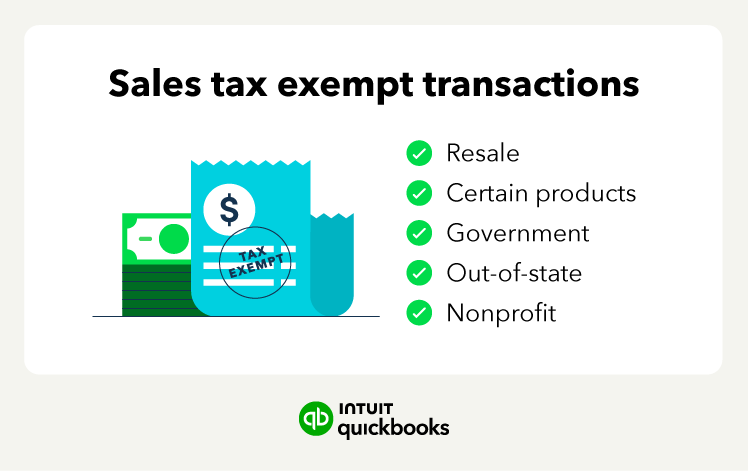
A list of sales tax exemptions

Here are the top transactions that are usually exempt from sales tax:

  • Items for resale, but you will need to provide a valid resale certificate to suppliers. Resale certificates are for businesses that buy certain items to resell at a markup later.
  • Nontaxable items, where certain goods or services are inherently exempt from sales tax, such as essential groceries and prescription medications.
  • Government entity purchases of goods or services for official use.
  • Out-of-state purchases by out-of-state vendors, which are subject to state-specific laws like use tax obligations.
  • Nonprofit purchases by eligible nonprofit organizations on goods or services for their business.

Nonprofits may still have to collect sales taxes if they sell anything. For example, they may not pay sales tax on brochures they purchase for a fundraiser but may have to collect tax from consumers on merchandise they sell at the fundraiser. Along with tax breaks, an exemption certificate can help your business save money on taxes.

What’s the difference between a license and a resale certificate?

Your sales tax license is what gives you the legal authority to collect tax from customers on behalf of the state.

A resale certificate, however, is a document you give to your suppliers to prove you are a legitimate retailer. It allows you to buy inventory tax-free, preventing double taxation on the same product. In most states, you can’t get a resale certificate until you first have a valid sales tax license.

Sales tax requirements for service providers and contractors

In 2026, the line between goods and services is more complex than ever. Historically, contractors and service providers didn't charge sales tax because they weren't selling tangible goods.

However, many states now tax digital services, SaaS (Software as a Service), and certain labor charges. For example, a contractor might not charge tax on the labor of installing an HVAC system, but they may need to charge tax if they sell a maintenance subscription.

Always check your specific state's taxable services list to ensure you aren't missing a registration requirement.

Find peace of mind come tax time

Filing sales taxes can be overwhelming, but a little preparation can go a long way toward alleviating that stress. If you sell goods or products, your business will almost certainly have to collect taxes at some point, so get ahead of the game by applying for a sales tax license and starting the process now.

With a little research, you can determine your sales tax rates and appropriate licenses. Then, use accounting software like QuickBooks Online to simplify calculating and paying sales taxes—allowing you to focus on running your business.


Recommended for you

Mail icon
Get the latest to your inbox
No Thanks

Get the latest to your inbox

Relevant resources to help start, run, and grow your business.

By clicking “Submit,” you agree to permit Intuit to contact you regarding QuickBooks and have read and acknowledge our Privacy Statement.

Thanks for subscribing.

Fresh business resources are headed your way!

Looking for something else?

QuickBooks

From big jobs to small tasks, we've got your business covered.

Firm of the Future

Topical articles and news from top pros and Intuit product experts.

QuickBooks Support

Get help with QuickBooks. Find articles, video tutorials, and more.