









Bring your business idea to life in Wyoming with the resources and support the state offers. Whether you're establishing roots here or expanding an existing venture, starting a business in the Equality State is an exciting and rewarding opportunity. And our guide can help you on your way. From funding and registration to insurance options and tax incentives, you'll find the tools you need to succeed as an entrepreneur.
Get 50% OFF QuickBooks
for 3 months
for 3 months

Wyoming
How to start a business in Wyoming in 14 steps (2026 guide)
Why start a business in Wyoming in 2026?
If you love wide-open spaces, big sky, scenic beauty on a grand scale, and a world of outdoor recreation, then Wyoming is calling you. Wyoming provides an ideal landscape for entrepreneurs, with nearly 99% of businesses classified as small by SBA standards, and is widely recognized as one of the most tax-friendly states for businesses in the United States.
With the lowest population of any US state (just over half a million), Wyoming offers lots of room to grow and close-knit communities perfect for not only families but small business owners and entrepreneurs looking for a loyal customer base. With an affordable cost of living, low startup costs compared to most of the US, and a successful tourism industry dating back to the founding of the country’s first national park at Yellowstone, Wyoming offers the sense of opportunity for which the Wild West has long been known.
Wondering how to start a business in Wyoming? Our small business guide will walk you through the steps.
Here are the topics we’ll cover in this step-by-step guide:
- 14 steps to starting a business in Wyoming
- Step 1: Decide what type of industry is best for your business
- Step 2: Conduct industry research
- Step 3: Create a business plan
- Step 4: Choose your business entity: Types of business entities in Wyoming
- Step 5: Secure funds: Wyoming small business funding, loans, and grants
- Step 6: Choose your Wyoming business name and Wyoming DBA
- Step 7: Pick a business location in Wyoming
- Step 8: Find a Wyoming registered agent
- Step 9: Get a Wyoming employer identification number (EIN) and file your tax and employer identification documents
- Step 10: Register as a small business in Wyoming
- Step 11: Register for your business license and permits in Wyoming
- Step 12: Secure insurance for your Wyoming small business
- Step 13: Prepare to pay taxes on your business in Wyoming
- Step 14: Set up your business bank account
- Additional resources to get your business started
- Frequently asked questions
14 steps to starting a business in Wyoming
Starting a business is an exciting journey, offering opportunities to grow, learn, and make an impact. Here, we outline the essential steps—from shaping your vision to building a foundation for lasting success. With small business resources and insights designed for Wyoming entrepreneurs, you’ll be equipped to thrive.
Step 1: Decide what type of industry is best for your business
When choosing the best industry for your Wyoming business, explore what aligns with your skills, interests, and local market demand. Energy is Wyoming’s biggest industry sector by far, with oil, gas, and mineral extraction accounting for much of the state’s business. Agriculture and tourism are also major players. Consider your own areas of expertise and how they might fit into these sectors, and research local market trends based on your location, whether that’s in the oil and gas fields around Rock Springs or in the midst of the winter sports industry in Jackson Hole.
Not sure where to start? Begin by exploring a variety of small business ideas to spark inspiration.
Step 2: Conduct research in your business’ industry
Before launching your Wyoming business, research your target market, analyze industry trends, and conduct a competitive analysis. You should identify your ideal customer, understand their needs, and determine how to differentiate your business. Also, be sure to research any specific regulations or licensing requirements for your industry in Wyoming. This research will help you refine your business idea and increase your chances of success. The Wyoming Small Business Development Network offers a wide variety of market research and competitive intelligence services. All services are free of charge for Wyoming entrepreneurs.
Step 3: Create a business plan
Develop a business plan. A business plan is a written document that outlines the goals of a business, the strategies for achieving them, and the steps needed to succeed. It provides details about the business's purpose, target audience, market analysis, financial projections, and operational plans. A business plan serves as a tool for guiding decision-making, attracting investors, and measuring progress.
- Executive Summary: Summarize your business, its purpose, and key objectives in a clear, concise overview.
- Company Description: Outline your company’s mission, background, and long-term goals.
- Market Research and Potential: Present an analysis of your target market, industry trends, and growth opportunities.
- Competitive Analysis: Evaluate your competitors and highlight what sets your business apart.
- Products and Services: Describe your offerings, their features, and the value they bring to customers.
- Marketing and Sales: Explain your approach to attracting, engaging, and retaining customers.
- Business Financials: Provide financial projections, including anticipated revenue, expenses, and cash flow.
- Management and Leadership: Highlight the skills, expertise, and roles of your leadership team.
- Funding Request: Specify your funding requirements and how the funds will be allocated.
- Appendix: Include supplementary materials like market data, financial documents, or legal agreements.
Free business plan templates are available to help you get started, and your local Wyoming Small Business Development Center offers no-cost guidance and support for crafting your plan.
Step 4: Choose your business entity: Types of business entities in Wyoming
Select a business entity. A business entity refers to the legal structure that defines how a business is organized, owned, and operated. Your business entity structure will determine your legal and tax obligations, so it's crucial to choose the structure that best suits your business needs and long-term goals.
Sole Proprietorship
A business owned and operated by one person, with no legal distinction between the owner and the business.
General Partnership
A business owned by two or more people who share profits, losses, and management responsibilities.
Corporation
A legal entity separate from its owners, with shareholders who have limited liability for the company's debts and obligations.
Limited Liability Company (LLC)
A hybrid business structure combining the limited liability of a corporation with the tax flexibility of a partnership. Learn more about LLCs.
Step 5. Secure funds: Wyoming small business funding, loans and grants
Launching a business in Wyoming requires strategic financial planning. Startup costs include business licenses and registration fees, which vary based on your business type and location. While you can register a small business in Wyoming for as little as $100, costs can rise depending on factors such as your industry, equipment needs, rent, inventory, supplies, professional services, marketing, and specific goals.
Here are a few ways to secure funding:
In addition to the above, explore these other funding opportunities:
- Small Business Innovation Research (SBIR) and Small Business Technology Transfer (STTR) Programs: The SBIR and STTR programs are federal initiatives that provide approximately $2.5 billion annually to support small businesses in the U.S. in researching, developing, and commercializing innovative technologies.
- Wyoming SBIR Match Grant Program. The Wyoming SBIR Match Grant Program supports businesses with Phase I or II federal SBIR/STTR funding to advance technologies and commercialize research. \
- Federal and State Technology (FAST) Partnership Program: This is a Wyoming SBDC initiative aimed at increasing SBIR/STTR awards for underrepresented groups, including women, socially or economically disadvantaged individuals, and small businesses in rural areas.
Step 6. Choose your Wyoming business name and Wyoming DBA
Select a name for your business that’s going to help you stand out from future competitors. Wyoming requires that your business name be distinguishable from any other existing business names, fictitious names, or trademarks already on file with the Secretary of State. Conduct a Wyoming entity search to ensure your desired business name is available.
Reserve your business name
While you can reserve a business name to ensure it is available for future use, it is not a requirement to start a business. If you choose to reserve a name, you must submit a reservation application along with a filing fee to the Wyoming Secretary of State. The reservation holds the name for up to 120 days.
Filing a DBA (Doing Business As)
A DBA (Doing Business As) lets you operate your business under a name different from its legal name. This is helpful for branding purposes, allowing you to create a more memorable or descriptive name. For example, if your company's legal name is "Johnson Industries," but you want to run a restaurant called "The Corner Bistro," you would register "The Corner Bistro" as a DBA. DBAs also allow you to operate multiple businesses under different names while maintaining a single legal structure.
It’s not mandatory in Wyoming to register your DBA or trade name. However, you can do so by completing an Application for Registration of Trade Name with the Wyoming Secretary of State.
Step 7: Pick a business location in Wyoming
Thinking of starting a freelance LLC in Cheyenne or opening a small retail shop in Wyoming’s urban hubs like Casper or Laramie? Your choice of location directly impacts operating costs, taxes, and accessibility for customers and employees.
Before committing to a space, check with your local municipality about necessary licenses and permits. Operating from home can help reduce startup costs, while those exploring commercial spaces should research local business regulations, zoning laws, and economic development incentives available in Wyoming communities.
When selecting the perfect location, also consider factors such as proximity to your target market, access to infrastructure, and the availability of local business support.
Here’s an overview of the major business areas in Wyoming.
Cheyenne
- Wyoming’s capital and largest city, Cheyenne, still has a small-town feel with a population of just under 65,000.
- With an affordable cost of living and a low crime rate, it’s a great place for families.
- It has a diverse economy supported by several key industries. The military plays a significant role, with F.E. Warren Air Force Base being the largest employer in the area and a major contributor to the local economy. Other important sectors include light manufacturing, agriculture, transportation and logistics, healthcare, and tourism.
- Access business startup resources through the Greater Cheyenne Chamber of Commerce.
Casper
- Centrally located and adjacent to the scenic Bighorn Mountains, Casper offers easy access to a wealth of outdoor recreation opportunities.
- With a stable energy industry in oil and gas, this small city has a solid economic foundation. Healthcare is also a key sector.
- Visit the Casper Area Chamber of Commerce for more information about starting a business in Central Wyoming.
Laramie
- As home to the University of Wyoming, Laramie has a strong arts and culture scene for a small city.
- With an affordable cost of living, low crime rate, and easy access to outdoor recreation opportunities, it’s a great spot for tourism entrepreneurs to set up shop.
- Check out business resources with the City of Laramie.
Step 8. Find a Wyoming registered agent
Wyoming requires a registered agent for every business entity, including corporations, LLCs, and partnerships. The registered agent must have a physical street address in Wyoming and be available during normal business hours to receive legal documents and government notices on behalf of the business.
You can choose an individual, such as an owner or employee, or a professional registered agent service to fulfill this requirement.
Step 9: Get a Wyoming EIN and file your tax and employer identification documents
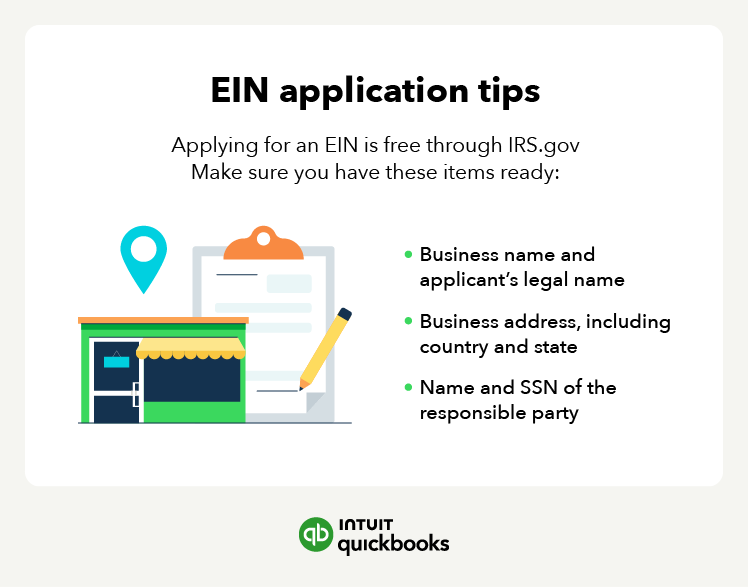
An EIN (Employer Identification Number) is a nine-digit number the IRS uses to identify your business for tax purposes. Although Wyoming doesn't require a state EIN, you'll need one to file payroll taxes and federal tax returns, open a business bank account, and apply for loans. You can apply for a free EIN through the IRS website.
To manage payroll fairly and maintain compliance, your business must follow Wyoming overtime laws and Wyoming pay transparency laws.
Step 10: Register as a small business in Wyoming
Wyoming businesses must register with the Secretary of State. This includes registering for various state taxes, such as sales tax, withholding tax, and unemployment insurance tax, depending on your business type and activities.
Here are the requirements and applicable fees for common business structures.
Step 11: Register for your Wyoming business license and permits
Depending on your industry, you may need business licenses and permits for your small enterprise in Wyoming.
Do you need a business license in Wyoming?
Wyoming does not require a general business license, but many industries need specific licenses or permits to operate legally. It’s important to research your industry’s requirements and consult with local authorities to ensure compliance.
Wyoming business permits
Some industries in Wyoming, such as general contracting, food manufacturing, trust companies, and educational organizations, require specialized permits. For instance:
- Meat Processing: Businesses involved in meat processing must adhere to regulations set by the Wyoming Department of Agriculture and the Department of Environmental Quality.
- Childcare Centers: Childcare providers must meet licensing requirements from the Wyoming Department of Family Services.
In addition to state-level requirements, local municipalities may have their own licensing and permitting processes.
The Wyoming Small Business Development Center (SBDC) Network offers one-on-one guidance to help you navigate business licensing and permitting requirements. They can assist in identifying the necessary licenses and permits for your specific business needs.
Step 12: Secure insurance for your Wyoming small business
Safeguarding your business assets and operations is essential, and business insurance plays a key role in providing that protection. The type of coverage you need depends on factors like your industry, business size, state laws, and location. Consulting a licensed insurance professional ensures you select the right policies to protect your business against potential risks and liabilities.
Types of small business insurance in Wyoming
The following are common types of business insurance:
Step 13: Prepare to pay taxes on your business in Wyoming
Make sure you understand your tax obligations as a small business owner in Wyoming before you begin operations.
Sales and use tax
The statewide sales tax in Wyoming is 4%. If your business sells tangible goods or personal property, you will need to register with the Department of Revenue to pay state sales tax.
Payroll taxes
If you have employees, you’ll be liable for payroll taxes as well as state unemployment insurance. Wyoming does not have income withholding tax.
Corporate income tax
Wyoming has no corporate income tax.
Other unique Wyoming tax situations
Some Wyoming localities will levy local taxes in addition to state-level ones. Check with your local municipality to find out what other business taxes you may owe.
Federal taxes
In addition to state and local taxes, all businesses must pay applicable federal taxes, including:
- Federal income tax
- Self-employment tax (for sole proprietors and partners)
- Employment taxes (if you have employees), including the Federal Unemployment Tax Act (FUTA tax)
- Excise taxes (for certain industries)
To ensure you understand your federal tax obligations, check out these IRS resources: Publication 334, Tax Guide for Small Business and Publication 583, Taxpayers Starting a Business and Keeping Records.
Tax credits and incentives for Wyoming employers
There’s minimal taxation of businesses in Wyoming, contributing to a very friendly entrepreneurial climate. But you may want to explore tax credits and incentives, such as the following, that may potentially lower your tax liability even more.
The New Markets Tax Credit. The NMTC Program incentivizes community development and economic growth through the use of tax credits that attract private investment to distressed communities.
Work Opportunity Tax Credit (WOTC): The Work Opportunity Tax Credit helps people gain on-the-job experience and achieve better employment outcomes. It offers federal tax credits to employers as an incentive to hire employees in several specific target groups.
Business-Ready Community Grant. This grant program assists businesses in setting up operations in Wyoming. Grants up to $3 million can be applied for by the local community or a local community development organization to build or remodel facilities for a business committed to relocating to Wyoming.
Step 14: Set up your business bank account
One of the first things you need to do when starting a business is set up a business bank account to manage your finances. A business bank account separates your personal and professional finances, which is important for accurate accounting, tax reporting, and maintaining legal protection of your business structure. It also provides a more professional image when receiving payments, makes tracking business expenses easier, and simplifies financial management during tax season.
Here’s how to get started:
- Collect all your business paperwork, including your EIN, business formation documents, registrations, permits, and licenses to open your small business bank account.
- Choose a bank or credit union that offers products and services you need, whether loan offerings, checking, or high-yield savings accounts.
- Establish business credit using a bank credit card for business-related purchases and expenses.
- Set up your financial records by selecting the right accounting software for your organization.
- Hire a professional accountant well-versed in local tax codes and your industry to help with financial and other bookkeeping services.
Additional resources to get your business started
Wyoming offers several state and federal resources that can support your business with guidance, training, potential funding and more.
State resources
- Wyoming Small Business Development Center (SBDC) Network. The Wyoming Small Business Development Center (SBDC) Network provides free services to support Wyoming entrepreneurs, including market research and competitive intelligence.
- Wyoming Secretary of State. The Wyoming Secretary of State's office provides essential services such as online filing for business entities, annual report submissions, business name searches, and access to various business forms and publications.
- Wyoming Business Council. The Wyoming Business Council provides valuable resources and support to help businesses and communities thrive in Wyoming.
- Wyoming Department of Revenue. The Wyoming Department of Revenue supports business owners by managing tax collections, valuing property, regulating alcohol distribution, enforcing relevant laws, and providing customer-friendly services to facilitate compliance and minimize regulatory burdens.
Federal resources
- Small Business Administration (SBA): The SBA supports small businesses through various loan programs, including the 7(a) loan, provides resources for government contracting, and offers counseling and training programs to help entrepreneurs start and grow their businesses.
- Grants.gov: This centralized platform simplifies the process of searching for and applying for federal grants across various sectors. It also provides grant writing tips and has a Grants Learning Center featuring the basics of grants, eligibility, and more.
- Small Business Innovation Research (SBIR) and Small Business Technology Transfer (STTR): SBIR and STTR programs provide research and development funding to innovative tech companies.
- SCORE: SCORE is a national nonprofit organization that partners with the U.S. Small Business Administration (SBA) to provide free mentoring and educational resources to entrepreneurs and small business owners.
- U.S. Department of Agriculture (USDA): The USDA website lists grants, loans, and other programs and resources for farmers and other businesses serving rural America.
Frequently asked questions
Disclaimer:
This content is for information purposes only and information provided should not be considered legal, accounting or tax advice or a substitute for obtaining such advice specific to your business. Additional information and exceptions may apply. Applicable laws may vary by state or locality. No assurance is given that the information is comprehensive in its coverage or that it is suitable in dealing with a customer’s particular situation. Intuit Inc. does not have any responsibility for updating or revising any information presented herein. Accordingly, the information provided should not be relied upon as a substitute for independent research. Intuit Inc. cannot warrant that the material contained herein will continue to be accurate, nor that it is completely free of errors when published. Readers should verify statements before relying on them.
Recommended for you



Get the latest to your inbox
No ThanksLooking for something else?
Call Sales: 1-800-285-4854




