QuickBooks Blog
A businessman in Hawaii calculates payroll taxes
Hawaii

Hawaii payroll taxes: Your 2026 guide to staying compliant

Hawaii is renowned for its distinctive island economy, vibrant tourism sector, and close-knit business community. The state's real gross domestic product (GDP) was approximately $90.3 billion in 2024, with tourism, healthcare, and education among its largest industries. Hawaii is also home to many small businesses, from local restaurants to innovative startups. However, operating in paradise doesn't mean you can ignore your payroll obligations. Hawaii payroll taxes can be complex, and businesses must understand them to avoid costly penalties and remain compliant.

Let's explore Hawaii payroll taxes for employers, the legal risks of non-compliance, and how to keep your payroll process running smoothly.

Jump to:

What are payroll taxes?

Payroll taxes are taxes based on wages, salaries, or other compensation that both employers and employees must pay. While income taxes are also withheld through payroll, payroll taxes specifically fund programs like Social Security, Medicare, and unemployment insurance.

Understanding Hawaii state payroll taxes

When starting a business in Hawaii, you'll need to be familiar with both federal and state payroll taxes.

Federal payroll taxes

Payroll taxes are mandatory and encompass both federal and state requirements. 

Federal payroll taxes include:

  • Federal income tax: This is withheld from each employee's paycheck based on their W-4 form and the current IRS tax brackets. You'll be responsible for calculating the correct amount, withholding it, and then sending it to the IRS.
  • Social Security and Medicare taxes: Both of these taxes have a portion paid by the employee and a matching portion paid by you, the employer. For Social Security, the combined rate is 12.4% on the first $176,100 of wages in 2025. For Medicare, it's 2.9% on all wages, with an extra 0.9% for higher earners. You'll withhold the employee's portion and match it.
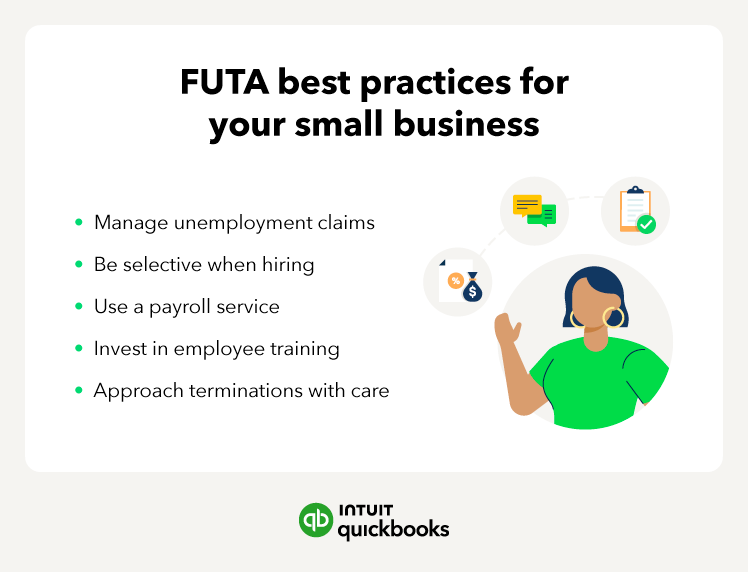
  • Federal Unemployment Tax (FUTA): This is paid solely by you at a rate of 6% on the first $7,000 of each employee's wages. However, employers who timely pay their Hawaii unemployment taxes get a credit of up to 5.4 percentage points, reducing the rate to as low as 0.6%. The graphic below lists some best practices for managing your FUTA obligations.
Futa best practices for small businesses

Hawaii state payroll taxes

In addition to federal payroll taxes, Hawaii employers must account for several state-specific payroll taxes.

  • Unemployment Insurance tax (UI): Hawaii payroll taxes for employers include a mandatory unemployment insurance tax, which provides temporary financial assistance to eligible workers who lose their jobs through no fault of their own. The Hawaii payroll tax rate for UI varies each year and depends on your company's experience rating.
  • Employment & Training Fund (ETF) assessment: Hawaii employers are also required to pay a small Employment & Training Fund assessment. This tax supports workforce development and training programs across the state. The ETF rate is added to your UI tax rate and typically amounts to 0.01% of taxable wages.
  • Temporary Disability Insurance tax (TDI): Hawaii is one of the few states that requires employers to provide Temporary Disability Insurance. This program offers partial wage replacement to employees unable to work due to non-work-related illness or injury. Employers can choose to pay the full cost or share it with employees through payroll deductions.
  • State income tax withholding: Employers must withhold Hawaii state income tax from employee wages using the appropriate tax tables and Form HW-4. Rates vary based on employees' filing status and allowances.
  • Prepaid Health Care Act: While not a tax, Hawaii's Prepaid Health Care Act requires most employers to provide eligible employees with health insurance coverage. This obligation makes understanding Hawaii payroll taxes and related laws even more important for compliance.

Hawaii local payroll taxes

Unlike some states, Hawaii does not have local payroll taxes imposed by individual counties or cities. Employers are only responsible for federal and state payroll taxes and related contributions required under Hawaii law.

However, it's still important to stay informed about any changes to Hawaii payroll taxes for employers that may affect your business.

  1. Check with your local government to ensure you're aware of all current payroll tax obligations. Your city or county government directly can provide the most up-to-date information on applicable rates and regulations.
  2. Consult a tax professional if you need clarification on local payroll tax requirements or assistance with compliance. An accountant specializing in Hawaii payroll taxes can help you identify any local taxes that apply to your business and ensure you meet all your obligations.

Other important tax considerations

Multiple locations

If your business has employees working in multiple cities or counties, you may be subject to different local payroll taxes for each location.

Changing rates

Local payroll tax rates can change over time, so it's important to stay informed about any updates that may affect your business.

Employer responsibilities for payroll taxes in Hawaii

As a Hawaii employer, you're responsible for managing a complex array of federal and state payroll taxes, which involves careful calculation, timely withholding, and accurate reporting to various government agencies. Here's an overview of tax basics for LLCs and large corporations alike.

Registering for payroll taxes

To comply with Hawaii state regulations, employers must register for payroll taxes before paying wages to employees. This registration is vital for managing obligations like unemployment insurance, withholding tax, and wage reporting. Here are the three steps you need to take:

  • Get an Employer Identification Number (EIN): Before registering with the state, you'll need to obtain a Federal Employer Identification Number (EIN) from the IRS. This number uniquely identifies your business for federal tax purposes. You can apply for an EIN online through the IRS website.
  • Complete Hawaii Employer Registration: Once you have your EIN, register your business with the Hawaii Department of Labor and Industrial Relations (DLIR) for unemployment insurance and other required contributions. Submit Form UC-1 (Report to Determine Liability) through the Hawaii Employer Web Portal. This step helps you meet your payroll tax obligations.
  • Report New Hires: After hiring employees, report their information to the Hawaii Child Support Enforcement Agency within 20 days. This helps the state manage child support collections and maintain accurate employment records.

Calculating payroll taxes

Accurately calculating Hawaii payroll taxes is essential to avoid fines and maintain compliance. Here are a few ways to do this effectively:

  • Check government websites: The Hawaii Department of Labor and Industrial Relations and the Hawaii Department of Taxation provide up-to-date tax rate information, forms, and resources to help you calculate the correct Hawaii payroll tax rate and withholdings.
  • Use payroll software: Some small business software payroll programs have built-in Hawaii tax tables that automate calculations, saving you time and minimizing the chance for errors.
  • Professional services: If you prefer to outsource payroll, a professional payroll service can handle everything for you.

Whichever method you choose, make sure you stay updated on the current tax rates and wage limits, as these can change every year.

Withholding state payroll taxes

Once you've calculated the taxes, you must withhold the correct amounts from your employees' paychecks. In Hawaii, this includes state income tax withholding and contributions for Temporary Disability Insurance (TDI). Unemployment Insurance (UI) is paid entirely by employers and is not withheld from employee wages.

Temporary Disability Insurance (TDI): Employers can choose to pay the entire TDI cost themselves or deduct up to half of the premium from employees' wages. The employee's share cannot exceed 0.5% of their weekly wages, up to a weekly cap set by the state.

  • For example, if an employee earns $1,000 in gross wages for the week, the TDI deduction would be: $1,000 x 0.5% = $5, assuming the amount is within the weekly cap.

State Income Tax Withholding: Use the employee's completed Form HW-4 and the Hawaii withholding tax tables to calculate the correct amount to withhold. Hawaii does not offer a wage bracket method like some states; instead, you'll use the percentage method provided by the Hawaii Department of Taxation.

  • For example, for a single employee earning $5,000 monthly with one allowance, the estimated Hawaii payroll tax rate for withholding might result in around $230 withheld per month, depending on the current tables.

Unemployment Insurance (UI): Employers pay Hawaii's UI tax directly — it is not withheld from employee wages. New employers typically pay the standard “new employer” Hawaii payroll tax rate, which can change each year. 

  • For example, if the rate is 2.4% and an employee earns $5,000 per month, the employer pays $120 in UI tax for that month until the annual taxable wage base is met.

By applying these calculations to each paycheck, you ensure accurate withholdings and compliance with state requirements.

Remitting state payroll taxes

Next, you'll need to submit the taxes you've withheld from your employees, along with your employer contributions, to both the Hawaii Department of Taxation and the Hawaii Department of Labor and Industrial Relations (DLIR). The easiest ways to do this are through the Hawaii Tax Online portal for withholding taxes and the DLIR Employer Web Portal for unemployment insurance. Your filing frequency (monthly, quarterly, or annually) depends on your total tax liability and your payroll tax account status.


Filing payroll tax returns in Hawaii

In Hawaii, employers must comply with quarterly and annual payroll tax return requirements to meet both state and federal obligations. Here's a breakdown of 2025 requirements:

Quarterly requirements

Annual requirements

Penalties for late filing or non-compliance and tips for staying organized

Hawaii imposes penalties and interest for late payroll tax payments, which can add up quickly if you miss deadlines. The Hawaii Department of Taxation and the Hawaii Department of Labor and Industrial Relations may assess penalties of up to 10% or more of the unpaid tax amount, plus interest. Additionally, there may be federal penalties for failing to file or pay on time. To avoid these costly fees, here are some tips to help you stay organized and compliant with Hawaii payroll taxes for employers:

Set reminders

Mark all payroll tax deadlines on your calendar, set alerts on your phone or computer, and use payroll software or task management tools to stay on top of due dates.

Use Hawaii Tax Online and DLIR portals

Take advantage of Hawaii's online platforms, such as Hawaii Tax Online and the DLIR Employer Web Portal, for electronic filing and payments. These tools streamline the process and help reduce errors and delays.

Consider payroll software

Invest in reliable payroll software that includes a Hawaii payroll tax calculator and automatically calculates taxes and deadlines. This minimizes mistakes and missed payments.

Outsource payroll

If managing payroll becomes overwhelming, consider outsourcing to a trusted payroll service provider familiar with Hawaii payroll taxes. They can handle all tax calculations, filings, and payments, ensuring compliance.

Seek professional help

If you have questions or concerns about Hawaii payroll taxes, don't hesitate to consult a tax professional or accountant. They can provide expert guidance to help you navigate payroll tax compliance smoothly.

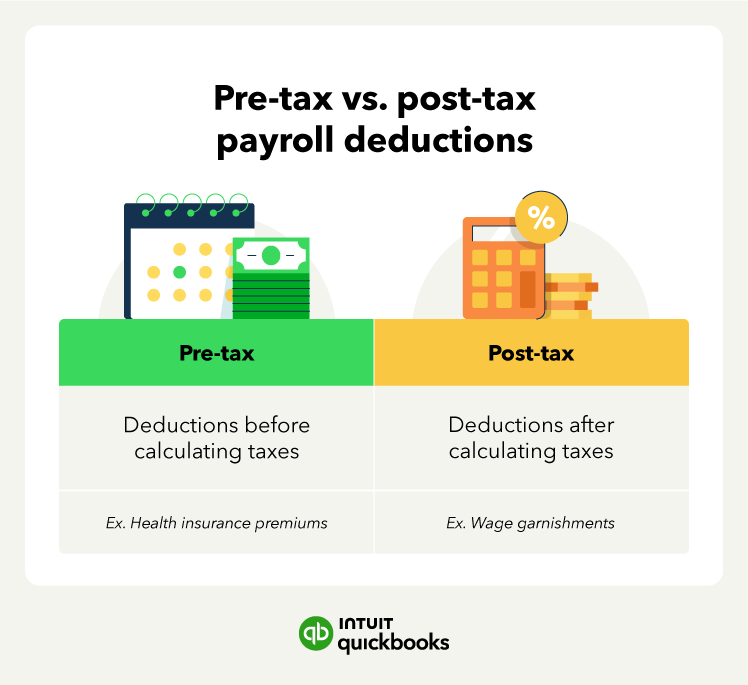
Pre-tax vs post-tax payroll deductions

Payroll tax credits and incentives

Hawaii offers several tax credits, deductions, and incentives designed to encourage businesses to create jobs, support workforce development, and invest in the local economy. These programs can help reduce your overall tax burden while promoting positive economic growth. Here are some notable credits and incentives available to Hawaii employers:

Tax Credit for Research Activities (TCRA)

Eligible startups and small businesses can apply up to $500,000 per year of the federal R&D tax credit toward their employer portion of Social Security payroll taxes. This credit supports innovation and growth during early business stages.

Federal Unemployment Tax Act (FUTA) Credit

Employers who pay their state unemployment insurance (SUI) taxes on time and in full may qualify for a FUTA credit of up to 5.4 percentage points, reducing the effective federal FUTA rate from 6.0% to 0.6% on the first $7,000 of wages per employee. Excluded companies face higher percentages, coming in at 6.2%.

Work Opportunity Tax Credit (WOTC)

The WOTC lets employers reduce federal tax liability by hiring individuals from certain targeted groups, with credits up to $9,600 per eligible new hire.

Disabled Access Credit

Small businesses can claim up to $5,000 to help cover costs for making their facilities accessible to people with disabilities. Details can be found on IRS Form 8826.

Architectural and Transportation Tax Deduction

Businesses can deduct up to $15,000 annually for expenses related to removing architectural and transportation barriers to accessibility. This tax deduction helps create more inclusive environments.

Motion Picture, Digital Media, and Film Production Income Tax Credit

Hawaii offers a Motion Picture, Digital Media, and Film Production Income Tax Credit to incentivize productions that film in the state. Qualified productions can receive significant credits on eligible Hawaii payroll taxes and other qualified expenditures, promoting local job creation in the creative industries.

Industries frequently benefiting from Hawaii business tax credits

  • Tech and R&D companies. These businesses may qualify for federal and state Research and Development tax credits, which encourage innovation and the development of new products or processes. Hawaii employers can benefit from these credits to reduce their overall tax burden.
  • Sustainable and green businesses. Companies investing in renewable energy, energy efficiency, or clean transportation may qualify for incentives such as the Hawaii Renewable Energy Technologies Income Tax Credit, which supports environmentally friendly investments.
  • Film and digital media producers. Hawaii's Motion Picture, Digital Media, and Film Production Income Tax Credit offers significant financial incentives to productions that shoot in the state, promoting local job creation and economic growth.
  • Affordable housing developers. Developers involved in affordable housing projects may qualify for the Low-Income Housing Tax Credit, which helps offset construction and development costs.

Consult with a tax professional to understand what tax credits and incentives you could potentially apply to your business. 

Common payroll tax mistakes in Hawaii (and how to avoid them)

Navigating Hawaii's payroll tax requirements can be complex. Here are some of the most common mistakes employers make and tips to stay compliant with Hawaii payroll taxes for employers:

Misclassifying workers

Misclassifying employees as independent contractors can result in significant penalties and back taxes. Always ensure worker classification aligns with Hawaii labor laws and IRS guidelines. When uncertain, consult a tax professional.

Missing deadlines

Hawaii has strict deadlines for payroll tax filings and payments. Late submissions can lead to penalties and interest charges. Set reminders and consider using payroll software to keep track of all due dates.

Incorrect withholding calculations

Hawaii's state income tax withholding rules differ from federal guidelines. Use the latest Hawaii payroll tax rate tables and reliable payroll systems that automatically calculate state-specific withholdings.

Overlooking local taxes

While Hawaii does not have local payroll taxes, it's important to stay updated on any state-level changes or special assessments that may apply to your business.

Failing to update employee forms

Employee withholding forms, such as the Hawaii HW-4, can cause inaccurate tax withholding if not updated as necessary. Regularly review and update these forms, especially after major life changes like marriage or adding dependents.

Miscalculating UI rates

Employers must stay informed of updates to the Hawaii Unemployment Insurance tax rate. Applying incorrect rates can lead to overpayments or penalties.

Poor recordkeeping

Maintain detailed payroll records for at least four years. Digital payroll systems can help securely track and store necessary documentation.

Tip: QuickBooks Payroll can help you avoid these common mistakes by automating calculations, tracking deadlines, and keeping accurate records.

How to manage your small business payroll obligations 

Understanding the nuances of Hawaii's payroll taxes and regulations can take some time. Follow our small business tax preparation checklist and these steps to help you manage your payroll taxes.

Step 1. Partner with a tax professional

Consult a tax professional familiar with Hawaii's payroll taxes and regulations. They can guide you through compliance requirements, local tax nuances, and potential tax benefits for your business.

Step 2. Explore payroll software

Consider using payroll software to streamline your payroll processes. Tools like QuickBooks automate tax calculations, minimize errors, and ensure compliance with Hawaii laws.

Step 3. Proactively plan for compliance

Stay informed about Hawaii's payroll tax deadlines and updates. Payroll software combined with expert guidance can help ensure you meet state and local requirements.

Step 4. Optimize your tax strategy

Work with your tax professional to uncover deductions, credits, or other incentives that could benefit your business. Leverage software reports to better understand your payroll data and identify opportunities for savings.

Step 5. Build a financially strong foundation

By combining expert guidance with the right tools, you can efficiently manage payroll taxes and focus on growing your business in the Aloha State.

What are the payroll taxes in Hawaii?

Hawaii's payroll taxes have a few key components: State Income Tax Withholding, Temporary Disability Insurance (TDI), and Unemployment Insurance (UI). Each has its own rate structure and determines whether the employee, employer, or both share responsibility. Staying informed about the Hawaii payroll tax rate for each component is crucial for compliance.

Calculating payroll taxes in Hawaii

Calculating Hawaii payroll taxes depends on a few key factors, including:

  • Employee wages and taxable income
  • Employer's Unemployment Insurance (UI) tax rate
  • Federal and state tax requirements

For employees, the main payroll taxes include:

  • State income tax withholding
  • Temporary Disability Insurance (TDI)
  • Federal income tax
  • FICA (Social Security and Medicare taxes)

For employers, the main payroll taxes are:

  • Unemployment Insurance (UI)
  • Employer-paid share of TDI (if covering the full cost)
  • FUTA (Federal Unemployment Tax Act)

To get accurate figures for your Hawaii payroll taxes, you can use the Hawaii payroll tax calculator, payroll software with Hawaii-specific rates and rules, or work with a qualified tax professional. These tools and experts can help ensure you're applying the correct Hawaii payroll tax rate and staying compliant with all filing requirements for Hawaii payroll taxes for employers.

It's essential to stay updated on the current rates and regulations, as they can change annually.

Leverage payroll software for compliance in Hawaii

Managing payroll in Hawaii requires accuracy due to complex regulations. Errors can lead to penalties and legal risks, but QuickBooks streamlines payroll management to ensure compliance. It automatically calculates, files, and pays federal and state payroll taxes—with a 100% accuracy guarantee.** You'll stay current with Hawaii tax law changes, easily generate reports for filings, and get up to $25,000 in penalty coverage if issues arise.**


Disclaimer: 

**Accuracy Guaranteed: Available with QuickBooks Online Payroll Core, Premium, and Elite. We assume responsibility for federal and state payroll filings and payments directly from your account(s) based on the data you supply. As long as the information you provide us is correct and on time, and you have sufficient funds in your account, we'll file your tax forms and payments accurately and on time or we'll pay the resulting payroll tax penalties. Guarantee terms and conditions are subject to change at any time without notice.

Tax penalty protection: If you receive a tax notice and send it to us within 15 days of the tax notice we will cover the payroll tax penalty, up to $25,000. Additional conditions and restrictions apply. Only QuickBooks Online Payroll Elite users are eligible to receive tax penalty protection.

This content is for information purposes only and information provided should not be considered legal, accounting or tax advice or a substitute for obtaining such advice specific to your business. Additional information and exceptions may apply. Applicable laws may vary by state or locality. No assurance is given that the information is comprehensive in its coverage or that it is suitable in dealing with a customer's particular situation. Intuit Inc. does not have any responsibility for updating or revising any information presented herein. Accordingly, the information provided should not be relied upon as a substitute for independent research. Intuit Inc. cannot warrant that the material contained herein will continue to be accurate, nor that it is completely free of errors when published. Readers should verify statements before relying on them.


Recommended for you

Mail icon
Get the latest to your inbox
No Thanks

Looking for something else?

QuickBooks

From big jobs to small tasks, we've got your business covered.

Firm of the Future

Topical articles and news from top pros and Intuit product experts.

QuickBooks Support

Get help with QuickBooks. Find articles, video tutorials, and more.