








Starting a business in Hawaii is an incredible opportunity to thrive in a unique and vibrant market. Whether you’re a lifelong Hawaii resident or have recently made the islands your home, the Aloha State offers a dynamic environment for entrepreneurs. Ready to get going? From choosing a business structure and securing funding to exploring insurance options and local tax incentives, we’re here to provide the guidance and resources you need to turn your vision into a flourishing venture.
Get 50% OFF QuickBooks
for 3 months
for 3 months

Hawaii
How to start a business in Hawaii in 14 steps (2025 guide)
Why start a business in Hawaii in 2025?
Hawaii is ideal for businesses looking to expand or start a business in 2025. With its advantageous geographic proximity at the crossroads of the Pacific, the state is a growing hub for Asian-Pacific affairs and industries like renewable energy, technology, and specialty agriculture. Entrepreneurs benefit from a vibrant innovation ecosystem with award-winning accelerators, coworking spaces, and a community dedicated to supporting business growth. The state also offers business-friendly tax incentives, including no personal property tax and no taxes on goods manufactured for export. Wondering how to start a business in Hawaii? Our small business guide will walk you through the steps.
Here are the topics we’ll cover in this step-by-step guide:
- 14 steps to starting a business in Hawaii
- Step 1: Decide what type of industry is best for your business
- Step 2: Conduct industry research
- Step 3: Create a business plan
- Step 4: Choose your business entity: Types of business entities in Hawaii
- Step 5: Secure funds: Hawaii small business funding, loans, and grants
- Step 6: Choose your Hawaii business name and Hawaii DBA
- Step 7: Pick a business location in Hawaii
- Step 8: Find a Hawaii registered agent
- Step 9: Get a Hawaii EIN and file your tax and employer identification documents
- Step 10: Register as a small business in Hawaii
- Step 11: Register for your business license and permits in Hawaii
- Step 12: Secure insurance for your Hawaii small business
- Step 13: Prepare to pay taxes on your business in Hawaii
- Step 14: Set up your business bank account
- Additional resources to get your business started
- Frequently asked questions
14 steps to starting a business in Hawaii
So you've decided to start a business in Hawaii. Whether you're in the beginning stages or have already done the legwork and are refining your strategy, our small business resources and Hawaii-specific insights are here to guide you. From crafting a comprehensive plan to laying a strong foundation for growth, we’ll help turn your vision into an achievable goal, setting you on the right path to success.
Step 1: Decide what type of industry is best for your business
Hawaii's tourism industry creates many opportunities in hospitality, food service, retail, spa services, and more. You could also take advantage of the country's bountiful land and agriculture industry. Do some research into Hawaii's top industries, and consider how your skills, interests, and professional goals line up with the markets in the state.
Not sure where to start? Begin by exploring a variety of small business ideas to spark inspiration.
Step 2: Conduct research in your industry
Once you've settled on an industry, it's time to roll up your sleeves (or open your laptop) and do some research.
Start by exploring current businesses in the market you want to serve. This will give you a good idea of what goods and services customers in Hawaii are actively buying and using. Understanding the market helps you identify customer preferences, seasonal trends, and economic factors that may influence purchasing behavior. Conduct a competitive analysis and determine how what you have to offer will fit in, fill gaps, and meet demand. By thoroughly knowing the market, you can position your business effectively and increase your chances of success.
Step 3: Create a business plan
A business plan is a detailed strategy that outlines the type of business you want to open. It covers everything from your mission statement and financial strategy to your products, services, and market research. It will act as a roadmap for your entrepreneurial journey. You'll also need a business plan if you want to apply for funding.
A well-rounded business plan generally contains the following essential sections:
- Executive summary: Summarize your business and its primary goals in a brief overview.
- Company description: Highlight your company's mission, background, and core objectives.
- Market research and potential: Dive into your target market, industry insights, and growth opportunities.
- Competitive analysis: Evaluate your competition and outline your unique strengths and differentiators.
- Products and services: Provide details about your offerings and the value they bring to customers.
- Marketing and sales: Outline your approach to attracting and retaining your customer base.
- Business financials: Include projections such as income statements, balance sheets, and cash flow estimates.
- Management and leadership: Introduce your team, focusing on their skills, experience, and leadership capabilities.
- Funding request: Explain your financial needs and how the funds will contribute to your goals.
- Appendix: Attach additional documentation, such as detailed research, charts, or legal papers, to support your plan.
Dedicate time to developing a well-structured business plan. It will provide clarity on your business goals, attract potential investors, and lay the groundwork for your company’s success. A free business plan template is a great starting point. For additional guidance, the Hawaii Small Business Development Center offers no-cost resources and support to help you craft a plan tailored to your goals.
Step 4: Choose your business entity: Types of business entities in Hawaii
There are many paths to starting a business in Hawaii depending on the industry you serve and the type of company you want to run. Understanding these business structure types will help you get a head start on planning your future.
Sole proprietorship
This is the simplest form of business structure, where a single individual owns and operates the business. The owner is personally liable for all business debts and obligations.
General partnership
In a general partnership, two or more people share ownership and the responsibilities of managing the business. Partners share profits, losses, and liabilities.
Limited Liability Partnership (LLP)
LLPs provide some protection from personal liability, meaning that partners are not personally responsible for the debts of the business beyond their investment in the company.
Limited Liability Corporation (LLC)
An LLC combines the liability protection of a corporation with the tax advantages and flexibility of a partnership. Owners, known as members, are not personally liable for business debts.
Corporation
A corporation is a more complex structure that is legally separate from its owners (shareholders). It provides the most liability protection but requires more extensive record-keeping and reporting.
S Corporation
This is a type of corporation that allows profits (and some losses) to pass directly to shareholders without being subject to corporate income taxes. The shareholders report income on their personal tax returns.
Nonprofit corporation
Nonprofits operate for charitable, educational, religious, or public service purposes and can apply for tax-exempt status. They must adhere to specific regulations regarding their operations and profits.
C corporation
A c corp is a standard corporation where the business is taxed separately from its owners. Profits are subject to corporate income tax, and shareholders also pay taxes on dividends, leading to double taxation.
Step 5: Secure funds: Hawaii small business funding, loans, and grants
Determine the best way to secure funding for your business. Starting a sole proprietorship might only require a DBA registration, but if you plan to invest in equipment, rent property, or order supplies, expenses can be in the thousands. Your funding strategy—whether it’s taking out a loan, applying for small business grants, or seeking investors—should align with the size of your business, your industry, and the resources needed to bring your goods or services to market.
Here are some Hawaii-specific funding initiatives and resources:
Hawaii Small Business Innovation Research Program (HSBIR)
The HSBIR program supports small businesses in Hawaii to conduct federal research and development programs that could be commercialized in the future. The business must work to solve critical, national problems, and it can be awarded up to $75,000 in Phase I and $500,000 in Phase II/III.
GreenSun Hawaii
GreenSun aims to help Hawaiian business owners lower the cost of adopting eco-friendly solar technologies. GreenSun Hawaii is a loan program that offers lower-than-average interest rates and reduced down payment costs to make going green easier.
Oahu Agriculture and Conservation Association (OACA)
The OACA offers a range of services for the agricultural community, including grant writing and financial assistance such as loans and grants.
Step 6: Choose your Hawaii business name and Hawaii DBA
Choose a unique and memorable name for your business, and ensure it's available and complies with all state naming requirements. The Hawaii Department of Commerce and Consumer Affairs (DCCA), Business Registration Division (BREG) handles business registrations and name filings. To check if your desired name is available, use the name search function on the Hawaii Business Express website.
The process for registering your business name depends on your business structure:
For corporations, LLCs, and partnerships, the name is registered when you file your formation documents. Sole proprietorships and general partnerships can register a trade name (also known as DBA - "doing business as").
You can file your business registration or trade name documents online through Hawaii Business Express, by mail, or in person at the BREG office.
Reserve your business name
If you're not ready to register your business but want to secure a name, you can reserve it. File an Application for Reservation of Name with BREG. The reservation is valid for 120 days.
File your DBA (doing business as)
A trade name, or DBA, allows a business to operate under a name different from its legal name. In Hawaii, trade name registration is optional. To register, file an Application for Registration of Trade Name with BREG. The filing fee is $50 (as of 2024). The registration does not create exclusive rights to the name.
Step 7: Pick a business location in Hawaii
Hawaii has gorgeous islands and popular cities that make excellent business locations. Depending on what industry you want to work in, some may be more suitable than others. Keep these factors in mind as you explore the islands for your dream business spot:
- Accessibility: Ensure the island and your location are easily accessible for both customers and suppliers.
- Transportation Costs: Account for the expense of transporting goods, especially if you’re on one of the smaller or more remote islands.
- Local Resources: Identify nearby resources and supplies to lower operating costs and streamline operations.
- Competition and Market Needs: Research the market in your chosen area to ensure there’s enough demand for your business to thrive.
- Local Ordinances, Permits, and Taxes: Be sure to familiarize yourself with Hawaii’s specific zoning laws, permitting requirements, and tax obligations. The Hawaii Department of Commerce and Consumer Affairs is a great resource to help you navigate these essentials.
To save on costs, you may also opt to have a home-based business, depending on your products and services. But if you’re looking to start a business in one of Hawaii’s cities, here’s a breakdown of some potential markets for you.
Honolulu
As the capital and largest city, Honolulu is the bustling hub of Hawaii's economy. With millions of visitors each year, businesses catering to tourists can thrive, from retail shops to transportation services. However, the city’s popularity comes with challenges: expect a high cost of living and rental prices, which can drive up operating costs. Despite this, Honolulu’s established market and ample foot traffic make it a prime location for many small businesses, particularly those geared toward tourism and trade.
Hilo
Located on the Big Island, Hilo offers a quieter, less competitive environment than Honolulu, yet still provides a thriving business community. With its charming boutiques, coffee shops, and cultural spots like museums, Hilo is a great place for small businesses focused on local goods, culture, and tourism. The smaller population and lower costs make it attractive for startups, but it's important to carefully analyze local demand and competition in this more laid-back market.
Kailua-Kona
Also on the Big Island, Kailua-Kona is an up-and-coming hotspot for hospitality, eco-tourism, and specialty agriculture. This area is known for its pristine beaches and world-famous coffee, attracting tourists and locals alike, making it ideal for food, hospitality, and outdoor recreation businesses.
Kahului
On the island of Maui, Kahului is the commercial center and busiest city, housing the island's airport and harbor. It’s a prime location for shipping, logistics, and retail businesses. With the inflow of both tourists and local residents, Kahului offers access to diverse markets. The city's growing commercial landscape is perfect for entrepreneurs looking to break into sectors like trade, real estate, and construction.
Step 8: Find a Hawaii registered agent
Hawaii requires all limited liability companies and corporations to have a registered agent. The registered agent is an appointed party or business entity who can receive and deliver notifications on your business's behalf. You can file to appoint yourself as a registered agent in Hawaii, but there are some requirements. First, you must be at least 18 years old. You must also have a physical address in Hawaii (not a P.O. Box) and be available during standard business hours to receive business mail and legal notifications at the address you provide.
Step 9: Get a Hawaii EIN and tax and employer identification documents
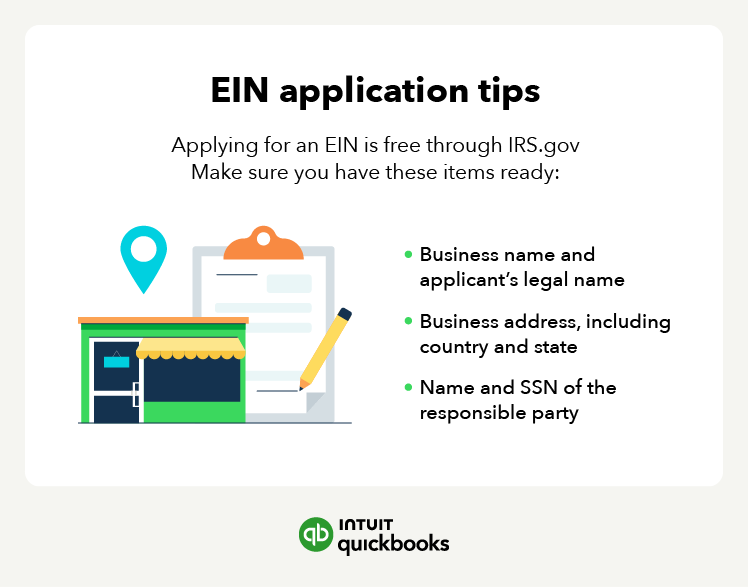
An EIN (Employer Identification Number) is a nine-digit number the IRS uses to identify your business for tax purposes. Although Hawaii doesn't require a state EIN, you'll need one to file payroll taxes and federal tax returns, open a business bank account, and apply for loans. You can apply for a free EIN through the IRS website.
It's also important to stay in compliance with Hawaii overtime laws and manage payroll fairly. To further help manage payroll fairly and meet compliance requirements, follow the Hawaii pay transparency laws.
Step 10: Register as a small business in Hawaii
Registering a business in Hawaii requires submitting an application, completing the right forms for your business structure, and paying the associated fees to the Department of Commerce and Consumer Affairs (DCCA), Business Registration Division. Here’s a breakdown of what’s generally required.
Step 11: Register for your business license and permits in Hawaii
Hawaii businesses must register with the Department of Commerce and Consumer Affairs (DCCA) to legally operate, hire employees, and file taxes. Sole proprietorships using the owner’s legal name do not need to register unless they are filing for a trade name. After registering, additional licenses and permits may be required depending on your industry and the type of business you run.
Do you need a business license in Hawaii?
Every business that makes revenue selling goods or services in Hawaii has to obtain a general excise tax (GET) license through the Department of Taxation (DOT).
You'll also need to investigate additional licenses for your specific industry, such as a license to sell alcohol or food. Check for local permits required by your county, like a building permit if you're planning any construction or renovations. The Department of Commerce and Consumer Affairs Professional and Vocational Licensing Division lists specified licensing requirements for different professions and vocations.
Step 12: Secure insurance for your Hawaii small business
Small business insurance helps protect your company from liabilities. It may also be required by different industries to stay compliant. Remember to carefully research business requirements in your industry to make sure you have the appropriate coverage.
Required types of Hawaii insurance
Most Hawaii businesses are required to carry the following:
- Workers’ Compensation Insurance: In Hawaii, all businesses with one or more employees (full-time, part-time, permanent, or temporary) are required to carry workers’ compensation insurance. This coverage provides medical benefits and wage loss compensation for employees injured on the job.
- Unemployment Insurance: Hawaii has its own unemployment insurance program that provides temporary financial assistance to qualified workers who have lost their jobs. Employers are required to contribute to this program based on their payroll and experience rating.
- Commercial Auto Insurance: All business-owned vehicles in Hawaii must be covered by commercial auto insurance.
Types of small business insurance in Hawaii
The following are other types of business insurance that may be recommended or required by certain industries:
Step 13: Prepare to pay taxes on your business in Hawaii
The Hawaii general excise tax is around 4% for all businesses. You must have a GET license and file taxes as a business depending on your structure. Taxes will vary depending on the type of company you run, such as a corporation, which has higher taxes, or a limited liability company, that lets you separate business taxes from your personal income.
Frequent types of Hawaii business taxes
As you plan for taxes in Hawaii, there are several types you should know about and budget for.
Corporate income tax
Corporate income tax in Hawaii is 4.4% to 6.4% of your business's taxable annual income.
Corporations, partnerships, and sole proprietorships are generally considered pass-through entities, meaning their income is not subject to corporate income tax. Instead, the income is "passed through" to the owners, who report it on their individual tax returns. Hawaii’s state individual income tax rate ranges from 1.40% to 11% based on income levels.
Partnerships and S corporations in Hawaii may elect to pay state income taxes at the entity level under Pass-Through Entity (PTE) Taxation. This allows these entities to pay an annual tax at a rate of 9% on their taxable income, providing eligible members with a tax credit for their share of the taxes paid.
Hawaii general excise tax
Instead of sales tax, Hawaii charges a general excise tax (GET) to businesses throughout the state. Businesses must pay a one-time $20 fee to acquire a GET license. GET has a 0.15% insurance commission and 0.5% charge for retail, wholesale, producing, manufacturing, and use tax on imports for resale.
There is a 4% charge for most business activities.
There are also county surcharges on top of the general excise tax. Here are the GET surcharges by location through December 31, 2030:
- Hawaii County: 0.5%
- Honolulu city and county: 0.5%
- Kauai County: 0.5%
- Maui County: 0.5%
Rates can change so for the most up-to-date information, visit the Hawaii Department of Taxation website.
Federal taxes
In addition to state and local taxes, all businesses must pay applicable federal taxes, including:
- Federal income tax
- Self-employment tax (for sole proprietors and partners)
- Employment taxes (if you have employees), including the Federal Unemployment Tax Act (FUTA tax)
- Excise taxes (for certain industries)
To ensure you understand your federal tax obligations, check out these IRS resources: Publication 334, Tax Guide for Small Business and Publication 583, Taxpayers Starting a Business and Keeping Records.
Tax credits and incentives for Hawaii employers
Tax credits and incentives can help reduce your tax liability and free up funds to invest in your business growth and development. Be sure to research what you may qualify for. Here are a few:
Motion picture, digital media, and film production income tax credit
Qualifying businesses in these industries can qualify for tax credits that help them up to 27% on their production costs in Oahu and neighboring islands, respectively. There is a $17-million-dollar cap on the production tax credit.
Royalties Tax Exemption
Royalties derived from performing arts products are excluded from a Hawaii taxpayer’s income and not subject to state income tax.
Renewable Energy Technologies Income Tax Credit (RETITC)
This is a Hawaii State tax credit that allows individuals or corporations to claim an income tax credit for up to 35 percent of the total cost for solar PV, solar space heating, or solar thermal water heating systems, subject to cap amounts. For wind-powered energy systems, the credit is up to 20 percent of the cost.
Renewable Fuels Production Tax Credit
This tax credit was reinstated in 2022 with new Greenhouse Gas and eligibility requirements, according to HRS 235-110.32.
Qualified Commercial Clean Vehicles Credit
While not specific to Hawaii, the Commercial Clean Vehicles Credit provides a tax credit of 30% up to $7,500 for qualifying vehicles weighing less than 14,000 pounds, and up to $40,000 for vehicles weighing more than 14,000 pounds.
Step 14: Set up your business bank account
As a business owner, you should establish a separate bank account to manage all your business-related finances. Here’s how to get started:
- Collect all your business paperwork, including your EIN, business formation documents, registrations, permits, and licenses to open your small business bank account.
- Choose a bank or credit union that offers products and services you need, whether loan offerings, checking, or high-yield savings accounts.
- Establish business credit using a bank credit card for business-related purchases and expenses.
- Set up your financial records by selecting the right accounting software for your organization.
- Hire a professional accountant well-versed in local tax codes and your industry to help with financial and other bookkeeping services.
Additional resources to get your business started
There are several state and federal resources that can support your business with guidance, training, potential funding and more.
State resources
Hawaii State Trade Expansion Program (HiSTEP): HiSTEP supports small businesses in Hawaii developing products for export. It has three main parts: Export Readiness Program (HiSTEP-ERP), Market Entry and Expansion Activities (MEEA), and Company Assistance (HiSTEP-CA).
High Technology Development Corporation – INNOVATE Hawaii: This is a program that helps small and medium-sized manufacturing businesses improve their development and performance. The HTDC is part of the Department of Business, Economic Development and Tourism (DBEDT). It aims to help manufacturers through a wide range of services, like education, mentorship, and networking.
Hawai‘i Small Business Development Center (SBDC): The Hawai‘i SBDC provides free consulting, workshops, and resources to small businesses. It helps with everything from business planning and financial management to market research and funding opportunities. The SBDC has multiple locations across the islands to assist local entrepreneurs.
Business Action Center (BAC): Part of the Department of Commerce and Consumer Affairs (DCCA), the BAC helps new and existing businesses with registration, licensing, and compliance requirements. It offers guidance on how to navigate the various state and federal regulations needed to start or maintain a business in Hawai‘i.
Patsy T. Mink For Business & Leadership: Helps equip women to become successful entrepreneurs and leaders by providing one-on-one business counseling, innovative workshops and unique, specialized programs in a nurturing environment.
Federal resources
Small Business Administration (SBA): The SBA supports small businesses through various loan programs, including the 7(a) loan, provides resources for government contracting, and offers counseling and training programs to help entrepreneurs start and grow their businesses.
Grants.gov: This centralized platform simplifies the process of searching for and applying for federal grants across various sectors. It also provides grant writing tips and has a Grants Learning Center featuring the basics of grants, eligibility, and more.
Small Business Innovation Research (SBIR) and Small Business Technology Transfer (STTR): SBIR and STTR programs provide research and development funding to innovative tech companies.
SCORE: SCORE is a national nonprofit organization that partners with the U.S. Small Business Administration (SBA) to provide free mentoring and educational resources to entrepreneurs and small business owners. While not a direct federal agency, SCORE is an independent organization with a network of volunteer business mentors across the United States.
U.S. Department of Agriculture (USDA): The USDA website lists grants, loans, and other programs and resources for farmers and other businesses serving rural America.
Frequently asked questions
How long does it take to start a small business in Hawaii?
Depending on how much you need to get started, you can register a business in Hawaii in 30 days or less. Realistically, it may take you six months to a year to acquire everything you need for your business, especially if you need to lease a property.
What are some of the best industries for starting a small business in Hawaii?
Hawaii has growing opportunities in sectors like renewable energy, tourism and hospitality, and specialty agriculture. The state's emphasis on sustainability has fueled growth in solar energy and eco-friendly tourism businesses. Hawaii's unique geographic location also makes it a prime spot for niche agriculture, such as coffee, macadamia nuts, and tropical fruits. These industries benefit from Hawaii's natural resources, while the tourism sector continues to flourish due to the state's constant influx of visitors.
Do I need a business license if I only operate online in Hawaii?
While no general state business license is required, specific licenses or permits may be necessary depending on your industry or activities, even if you operate solely online. Most businesses, including online ones, must obtain a General Excise Tax (GET) license due to Hawaii’s tax on all business activities. Local counties or cities may also impose licensing requirements, so it’s essential to check with local authorities to ensure compliance based on your business location and operations.
Disclaimer:
This content is for information purposes only and information provided should not be considered legal, accounting, or tax advice, or a substitute for obtaining such advice specific to your business. Additional information and exceptions may apply. Applicable laws may vary by state or locality. No assurance is given that the information is comprehensive in its coverage or that it is suitable in dealing with a customer’s particular situation. Intuit Inc. does it have any responsibility for updating or revising any information presented herein. Accordingly, the information provided should not be relied upon as a substitute for independent research. Intuit Inc. cannot warrant that the material contained herein will continue to be accurate, nor that it is completely free of errors when published. Readers should verify statements before relying on them.
Recommended for you



Get the latest to your inbox
No ThanksLooking for something else?
Call Sales: 1-800-285-4854




