









Starting your own business is an exciting opportunity to take control of your future and build something uniquely yours. Indiana is an excellent place to begin, with its supportive business climate, low startup costs, and a variety of resources for entrepreneurs. In this step-by-step guide, we’ll cover everything you need to know to make your dream a reality, from choosing your business structure to securing funding and registering your business.
Get 50% OFF QuickBooks
for 3 months
for 3 months

Indiana
How to start a business in Indiana in 14 steps (2025 guide)
Why start a business in Indiana in 2025?
Indiana boasts a thriving business climate. In a recent Forbes article, the Hoosier State ranked second in the country as one of the best places to start a business in 2024. With a low formation fee of $100, it’s easier to get your company off the ground without breaking the bank. Plus, Indiana has a solid business survival rate of 77%, which shows just how supportive the state is for long-term growth.
Indiana also doesn’t disappoint when it comes to funding. The average small business can expect around $24,502 in available financial support, helping you turn your ideas into reality. On top of that, the cost of living is 9% lower than the national average, which means more value for both you and your employees.
Here are the topics we’ll cover in this step-by-step guide:
- 14 steps to starting a business in Indiana
- Step 1: Decide what type of industry is best for your business
- Step 2: Conduct industry research
- Step 3: Create a business plan
- Step 4: Choose your business entity
- Step 5: Secure funds: Indiana small business funding, loans, and grants
- Step 6: Choose your Indiana business name and Indiana DBA
- Step 7: Pick a business location in Indiana
- Step 8: Find an Indiana registered agent
- Step 9: Get an Indiana EIN and file your tax and employer identification documents
- Step 10: Register as a small business in Indiana
- Step 11: Register for your business license and permits in Indiana
- Step 12: Secure insurance for your Indiana small business
- Step 13: Prepare to pay taxes on your business in Indiana
- Step 14: Set up your business bank account
- Additional resources to get your business started
- Frequently asked questions
14 steps to starting a small business in Indiana
If you’re ready to take the first steps to start a new business in Indianapolis, Fort Wayne, or even Carmel, there are a few factors you’ll want to consider, whether you’re already a resident of Indiana or you're in the process of relocating. Follow the steps below that offer tailored insights and small business resources to help get your new venture off the ground.
Step 1: Decide what type of industry is best for your business
Decide which industry fits your skills, passions, and market demands in Indiana. Maybe you’re thinking of starting a tech company in Indianapolis, a cozy café in Bloomington, or a boutique retail shop in Carmel. Whatever your idea, consider how your interests align with opportunities in your area. It’s also a good idea to reach out to your local chamber of commerce for guidance.
Need some inspiration? Explore various small business ideas to get started.
Step 2: Conduct industry research
Research industry trends, demands, and geographical relevance based on your location in Indiana and the type of business you’re building. Consider which products or services are most likely to generate profit while appealing to your intended target audience or local community. You should also conduct a competitive analysis to identify key players in your industry and understand what makes their businesses successful. Look for gaps in the market or areas where you can offer something unique.
Step 3: Create a business plan
Develop a professional, well-crafted business plan. Consider it as your roadmap to success, as it will help visualize the steps required to establish and launch your business. A properly formatted business plan can also improve your chances of securing funding when you need it most.
Include the following information in your business plan:
- Executive summary: Provide a brief overview of your business plan and its main points.
- Company description: Describe your mission, company background, and vision for the future.
- Market research and potential: Highlight industry trends, your market size, and your target audience.
- Competitive analysis: Analyze your competitors and explain why your business has a competitive edge.
- Products and services: Detail your products or services and describe the value they bring to customers.
- Marketing and sales: Outline your strategies for customer acquisition, engagement, and retention.
- Business financials: Showcase the expertise and experience of your management team.
- Management and leadership: Share an overview of your team's expertise and experience.
- Funding request: Specify the funding you need and how you’ll use it.
- Appendix: Include additional information, such as financial statements, research data, or legal documents.
To help you get started, use a free business plan template and reach out to the Indiana Small Business Development Center for no-cost business advising.
Step 4: Choose your business entity: Types of business entities in Indiana
Choose a suitable business structure type. This decision is important because it will directly affect liability, taxes, and regulatory requirements. Learn about your options below to determine which business entity type is right for you in Indiana.
Sole proprietorship
A business owned and operated by one person, with no legal distinction between the owner and the business.
General partnership
A business owned by two or more people who share profits, losses, and management responsibilities.
Corporation
A legal entity separate from its owners, with shareholders who have limited liability for the company's debts and obligations.
Limited liability company (LLC)
A hybrid business structure combining the limited liability of a corporation with the tax flexibility of a partnership. Learn more about LLCs.
Step 5: Secure funds: Indiana small business funding, loans, and grants
Determine how you’ll get funding. Starting a business in Indiana comes with various costs, depending on your industry and business type. You’ll need to budget for licenses, permits, and filing fees, which can range anywhere from $25 to a few hundred dollars. If you’re planning to hire employees, don’t forget about payroll registration costs and workers' compensation insurance, which can vary depending on the risks in your industry. On top of that, you’ll need to account for ongoing expenses like rent, utilities, and supplies to keep your business running smoothly. Also, to stay compliant, you must follow the new hire reporting in Indiana.
Learn more about your funding options below:
Consider exploring these funding options for Indiana small businesses:
Federal Home Loan Bank of Indianapolis (FHLBI) Elevate Grants
If you’re searching for Indiana-specific funding solutions, consider FHLBI or Federal Home Loan Bank of Indianapolis Elevate Grants. This program provides funds for the growth and development of small businesses in the state.
Indiana State Small Business Credit Initiative (SSBCI)
In Indiana, small business owners can utilize the SSBCI to seek programs to enhance credit access and access to funds using various platforms.
City of South Bend Business Grants
In South Bend, Indiana, specialized grant offerings encourage entrepreneurs, investors, and small business owners to select South Bend as their preferred location to operate.
City of Madison’s Preservation and Community Enhancement (PACE) Grant Program
In Madison, Indiana, the PACE Grant Program promotes small businesses in Madison to enhance their presence throughout the city and community.
Downtown Danville Partnership Façade Improvement Grant Program
Businesses located in the downtown Danville area can benefit from the Downtown Danville Partnership Facade Improvement Grant Program to boost the overall aesthetic appeal of the downtown area.
Step 6: Choose your Indiana business name and Indiana DBA
Choose a memorable, unique name for your business. In Indiana, you’ll also need to select an Assumed Business Name — or Doing Business As (DBA) name — if you want to conduct business under a name other than your given birth name. Search the InBiz database to ensure your desired name isn’t taken.
Reserve your business name
Complete the Name Registration Form directly from the Indiana Secretary of State to reserve your business name.
Filing a DBA (Doing Business As)
To register a DBA (Doing Business As) in Indiana, the process varies depending on your business structure.
For sole proprietors and general partnerships, file your assumed name with the County Recorder’s office in every county where your business operates.
For corporations, LLCs, and other entities registered with the Secretary of State, file your name with the state. To do this, log into your INBiz account, navigate to the "Online Services" section, and select "Assumed Name Filing" under the Secretary of State menu. Follow the prompts to complete the process.
Step 7: Pick a business location in Indiana
Decide where your Indiana business will call home. Your location will determine factors like local tax rates, zoning regulations, and access to foot traffic or suppliers. Take time to explore commercial zones and research the demographics, competition, and economic climate of potential areas to ensure they align with your business needs and long-term goals.
Running your business from home could be a smart way to save on costs, especially if you have an online business. However, if your business requires a physical storefront or office, consider these locations:
Indianapolis
Indianapolis stands out for its central location, offering easy access to all major highways throughout the state. This makes it an attractive option for businesses that rely on efficient transportation and distribution networks. It’s also a hotspot for retail, entertainment, and tech industries. Additionally, commercial real estate is affordable, so you get more value for your investment without breaking your budget.
Bloomington
If you're looking for a culturally rich environment, Bloomington is the place. The city thrives on creative and service-oriented businesses. Plus, there are plenty of resources to help you get started, like the Gayle & Bill Cook Center for Entrepreneurship, which offers guidance for new business owners.
Fort Wayne
Fort Wayne’s business climate has become more supportive over the years, making it an ideal place to start a company. With the Northeast Indiana Innovation Center, businesses have access to a growing network of resources. And it’s more affordable than larger cities, so you have more room to grow without high real estate costs.
Step 8: Find an Indiana registered agent
When building a business in Indiana, you will need to work with a registered agent. A registered agent in Indiana can review and accept accounting and legal documents, such as government notices or lawsuit paperwork, on your behalf. Registered agents in Indiana must have a valid Indiana address. You can find a list of registered agents in Indiana on the official Indiana government’s website: IDOI: Registered Agents/Service of Process (in.gov).
Step 9: Get an Indiana EIN and file your tax and employer identification documents
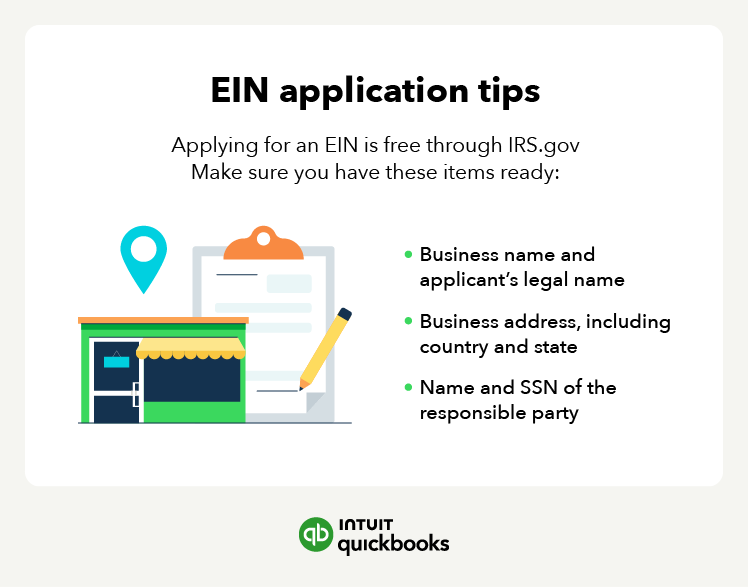
An EIN (Employer Identification Number) is a nine-digit number the IRS uses to identify your business for tax purposes. Although Indiana doesn't require a state EIN, you'll need one to file payroll taxes and federal tax returns, open a business bank account, and apply for loans. You can apply for a free EIN through the IRS website.
To ensure that the payroll process runs smoothly and your business stays compliant, adhere to the overtime pay rules in Indiana. And to maintain fairness in compensation practices, follow the pay equity laws in Indiana.
Step 10: Register as a small business in Indiana
Register your small business with the Indiana Secretary of State. Whether you want to learn how to start a sole proprietorship or an LLC in Indiana, here’s what you need to know to complete the process.
Find the downloadable PDF forms on the Secretary of State site or file them online through INBiz.
Step 11: Register for your business license and permits in Indiana
Registering for Indiana licenses and permits can prevent potential fees and unnecessary legal issues when starting a business. Common licenses and permits in Indiana include:
General business license
This license is often required by most counties in Indiana to operate a profit-generating business.
Sellers’ permit
A seller’s permit may also be necessary for entities selling tangible goods while collecting sales tax.
Health permit
Businesses in the medical, health, or food industries will require an Indiana health permit.
ATC (Alcohol and Tobacco Commission) license
ATC licenses are required for any business entity in Indiana selling alcoholic beverages or products.
Professional licenses
Additional licenses for lawyers, doctors, and contractors may also be required and are industry-specific in the state of Indiana.
Do you need a business license in Indiana?
If you sell goods or services and generate revenue in Indiana, you likely need a business license to operate commercially.
Step 12: Secure insurance for your Indiana small business
Find the right insurance coverage for your Indiana company. Business insurance can protect your business in Indiana from losses, theft, fire, and even natural disasters.
Types of small business insurance in Indiana
Common types of Indiana small business insurance include:
Step 13: Prepare to pay your Indiana business taxes
Understand your Indiana tax obligations. It can prevent fees, interest rates, and audits.
Frequent types of Indiana business taxes include:
State income tax
Indiana imposes a flat-rate state tax on business owners, which may fluctuate and vary each year.
Payroll taxes
Taking care of payroll taxes is essential if you are paying any employees or contractors.
Tax credits and incentives for Indiana employers
Indiana offers tax incentives such as the Hoosier Business Investment (HBI) tax credit and the Economic Development for a Growing Economy (EDGE) tax credit.
Federal taxes
In addition to state and local taxes, all businesses must pay applicable federal taxes, including:
- Federal income tax
- Self-employment tax (for sole proprietors and partners)
- Employment taxes (if you have employees), including the Federal Unemployment Tax Act (FUTA tax)
- Excise taxes (for certain industries)
To ensure you understand your federal tax obligations, check out these IRS resources: Publication 334, Tax Guide for Small Business and Publication 583, Taxpayers Starting a Business and Keeping Records.
Step 14: Set up your business bank account
A small business account in Indiana is essential for record-keeping, managing financial decisions, organizing important records, and managing tax documents appropriately. Follow these steps to open your business bank account.
- Gather all necessary documents to open your small business bank account, including your EIN, business formation papers, registrations, permits, and licenses.
- Look for a bank or credit union that provides the services your business needs, such as loans, checking accounts, or high-yield savings options.
- Build business credit by using a business credit card for purchases and expenses related to your operations.
- Organize your finances with the right accounting software tailored to your business needs.
- Consider hiring a professional accountant familiar with local tax laws and your industry for expert bookkeeping and financial support.
Additional resources to get your business started
There are several state and federal resources that can support your business with guidance, training, potential funding and more.
State resources
Indiana Economic Development Corporation (IEDC): The IEDC is a great resource for new businesses, offering everything from site selection help to workforce training. They also provide tax incentives to support your growth in Indiana.
Indiana Small Business Development Center (ISBDC): If you're looking for personalized guidance, the ISBDC offers free consulting, workshops, and help with strategic planning and funding.
INBiz: When it's time to handle the legal side of things, INBiz is where you'll go. They help with registering your business name, filing formation documents, and staying compliant with state regulations.
Venture Club of Indiana: If you're looking to connect with investors, the Venture Club is a great place to start. They offer networking opportunities and access to potential funding sources to help you grow.
Federal resources
Small Business Administration (SBA): The SBA supports small businesses through various loan programs, including the 7(a) loan, provides resources for government contracting, and offers counseling and training programs to help entrepreneurs start and grow their businesses.
Grants.gov: This centralized platform simplifies the process of searching for and applying for federal grants across various sectors. It also provides grant writing tips and has a Grants Learning Center featuring the basics of grants, eligibility, and more.
Small Business Innovation Research (SBIR) and Small Business Technology Transfer (STTR): SBIR and STTR programs provide research and development funding to innovative tech companies.
SCORE: SCORE is a national nonprofit organization that partners with the U.S. Small Business Administration (SBA) to provide free mentoring and educational resources to entrepreneurs and small business owners. While not a direct federal agency, SCORE is an independent organization with a network of volunteer business mentors across the United States.
U.S. Department of Agriculture (USDA): The USDA website lists grants, loans, and other programs and resources for farmers and other businesses serving rural America.
Frequently asked questions
How long does it take to start a small business in Indiana?
This process may vary. However, it typically requires a few weeks to a few months to complete.
How much is Indiana’s sales tax?
Indiana’s sales tax rate is 7%.
Do I need a local business license if I only operate online in Indiana?
You’ll likely need a local business license even if you operate online. Check with your local city or county government for specific requirements.
Disclaimer:
This content is for information purposes only and information provided should not be considered legal, accounting, or tax advice, or a substitute for obtaining such advice specific to your business. Additional information and exceptions may apply. Applicable laws may vary by state or locality. No assurance is given that the information is comprehensive in its coverage or that it is suitable in dealing with a customer’s particular situation. Intuit Inc. does it have any responsibility for updating or revising any information presented herein. Accordingly, the information provided should not be relied upon as a substitute for independent research. Intuit Inc. cannot warrant that the material contained herein will continue to be accurate, nor that it is completely free of errors when published. Readers should verify statements before relying on them.
Recommended for you




Get the latest to your inbox
No ThanksLooking for something else?
Call Sales: 1-800-285-4854




