
You could save up to 25% on transaction costs².
Speak with us now to see if you qualify.
Talk to sales 1-800-515-8366
Monday - Friday, 6 AM to 4 PM PT

Table of contents
Table of contents
Costs are becoming less predictable, making it harder for finance teams to protect margins. The World Economic Forum’s May 2026 Chief Economists' Outlook found that 94% of surveyed chief economists expect global inflation to remain elevated or uncertain over the next 12 months, reinforcing the pressure scaling businesses face to monitor costs and profitability more closely.
Economic volatility doesn’t hit every part of a business the same way. A supplier price increase may affect one product line. Higher labor costs may put pressure on a particular service or project. Changes in customer demand can leave pricing or inventory assumptions out of step with what is actually happening.
For businesses, the real challenge is understanding where the pressure is coming from and which decisions are still available.
When business conditions change, the financial impact can show up at different times and in different parts of the company. A shipment may arrive at a higher landed cost. A supplier may change pricing or materials. Labor expenses can move, or customer demand can shift.
Company-wide and period-end reporting still matter, but those totals may not immediately show which product, customer, project, supplier, or location is driving the change.
That is why margin management during volatile periods requires more than watching the top-line number. You need enough detail to connect a change in profitability back to the part of the business where it started.
Margin pressure can show up in parts of the business that company-wide results don't isolate.

Finding a margin problem after the underlying decision has already been made can leave you with fewer options. If a cost increase, project overrun, pricing gap, or supplier change isn’t visible until later in the reporting cycle, the business may already have absorbed some of the impact.
Earlier visibility doesn’t remove economic volatility. It gives you more time to understand what changed and evaluate the levers you still control, such as pricing, purchasing, staffing, supplier choices, project scope, or forecasts.
Managing margin pressure starts with financial practices that help you see where costs and profitability are changing and evaluate what to do next.
Company-wide results don't always show which parts of the business are driving a change in profitability. Break performance down by product, customer, project, or location to identify where pricing, costs, or operational changes warrant closer review.
QuickBooks Online Advanced supports this level of reporting with custom fields, classes, locations, and project tracking.
Budgets and forecasts reflect the assumptions behind a financial plan. Compare actual results against those assumptions to identify unexpected variances and update plans as costs change.
Advanced financial reporting in QuickBooks Online Advanced can help you compare actual results with budgets and forecasts, giving you more context to investigate whether a variance reflects a one-time event or a broader change in costs.
Margins can change throughout a reporting period as costs, pricing, demand, or project performance change. Regular monitoring helps businesses recognize changes as they develop and understand where additional analysis is needed.
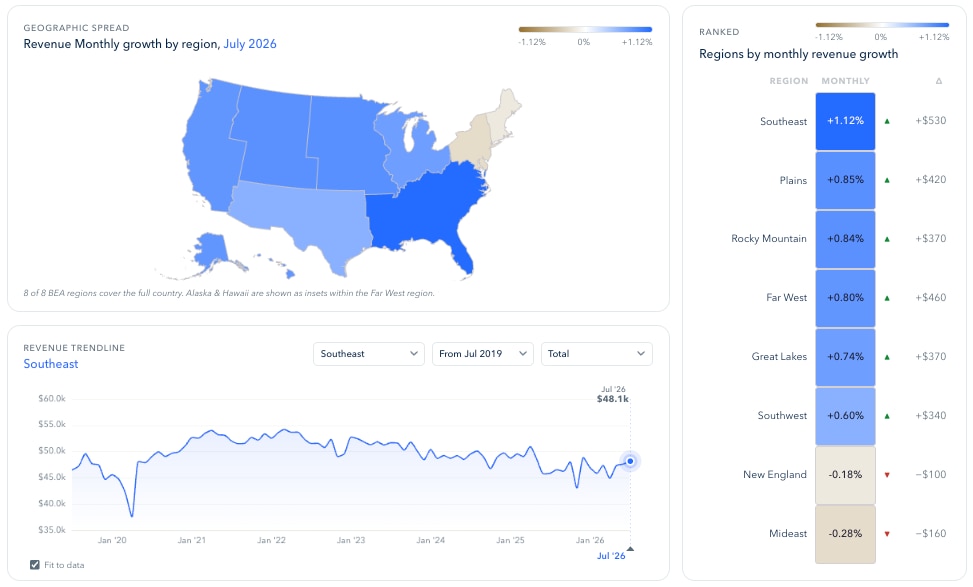
Dashboards bring margin trends, expenses, and financial performance into one view.
Customizable reporting and dashboards in QuickBooks Online Advanced can help you keep frequently reviewed metrics in view without rebuilding the same analysis each reporting cycle.
Use current cost and profitability information when evaluating pricing, purchasing, forecasting, and supplier decisions. When assumptions change, reviewing the latest available results can help you determine whether your plan still reflects the economics of the business.

Better margin visibility gives you more context for decisions that can affect profitability across the business, including:
When costs and business conditions change, the challenge is connecting those changes to the part of the business they actually affect.
QuickBooks Online Advanced brings reporting and financial workflows into one platform, helping you look beyond company-wide totals and analyze performance across projects, classes, locations, and other dimensions relevant to your business. Comparing actual results with budgets and forecasts can help you see where assumptions are changing and where you need a closer review.
Ready to see how it works for your business? Start a free trial of QuickBooks Online Advanced.

Call Sales: 1-800-285-4854