









Launching a business is a rewarding process that allows you to bring your dreams to life and make a lasting difference in your community, and Montana could be the perfect place for you to do so. Big Sky Country is truly a great state for small businesses as it offers various tax incentives to encourage growth and investment. With abundant natural resources and no sales tax, this business-friendly state stands out in the American northwest. So, how does a willing entrepreneur start a business in Montana? In this guide we’ll take you through the entire process of starting your business.
Get 50% OFF QuickBooks
for 3 months
for 3 months

Montana
How to start a business in Montana in 14 steps (2025 guide)
Why start a business in Montana in 2025?
Montana’s economy is driven by small businesses, which account for 99.3% of all businesses in the state and employ 67% of the workforce. The state also offers strong support for key industries like agriculture, technology, construction, and tourism, creating several opportunities for innovation and investment.
In just September and October 2024 alone, over 10,000 new businesses were registered with the Montana Secretary of State’s Office. This impressive growth is fueled by Montana’s business-friendly policies, including waived annual reporting fees that have saved businesses millions of dollars.
Montana also has a huge advantage with no state sales tax, which keeps operating costs low, especially for businesses making big purchases. Add to that a well-educated workforce, access to high-quality training programs, and government initiatives designed to support growth, and you’ve got one of the best places to start a business.
Here are the topics we’ll cover in this step-by-step guide:
- 14 steps to starting a business in Montana
- Step 1: Decide what type of industry is best for your business
- Step 2: Conduct industry research
- Step 3: Create a business plan
- Step 4: Choose your business entity: Types of business entities in Montana
- Step 5: Secure funds: Montana small business funding, loans, and grants
- Step 6: Choose your Montana business name and Montana DBA
- Step 7: Pick a business location in Montana
- Step 8: Find a Montana registered agent
- Step 9: Get a Montana EIN and file your tax and employer identification documents
- Step 10: Register as a small business in Montana
- Step 11: Register for your business license and permits in Montana
- Step 12: Secure insurance for your Montana small business
- Step 13: Prepare to pay taxes on your business in Montana
- Step 14: Set up your business bank account
- Additional resources to get your business started
- Frequently asked questions
.
14 steps to starting a business in Montana
Starting a new small business in Montana can be an exciting journey, and with the right approach, it can also be straightforward. Whether you're building a tech startup in Bozeman, opening a café in Missoula, or launching an agricultural venture in the heart of Big Sky Country, there’s room to grow here. Plus, you can take advantage of various small business resources to guide you every step of the way. Here are the steps you'll take to get started.
Step 1. Decide what type of industry is best for your business
Choose a business that aligns with your skills, passions, and the opportunities available in Montana. The industry you're going into will impact your business operations, goals, employees, and just about everything it does. You want to opt for a thriving industry with a target market in the state. Montana's leading industries include forestry, agriculture, mining, and energy production.
Need help narrowing down your choices? Explore various small business ideas.
Step 2. Conduct Industry research
Once you narrow down some potential industries in which you may want to open a business, it's time to do some local research. Check to see if there's an active market for the products or services you want to offer and what locations throughout the state have a wide market. Pay particular attention to any stringent regulations that a specific industry may have in the state. Additionally, conduct a competitive analysis to see how many other businesses are operating to verify the industry is thriving but not overly competitive.
Step 3. Create a business plan
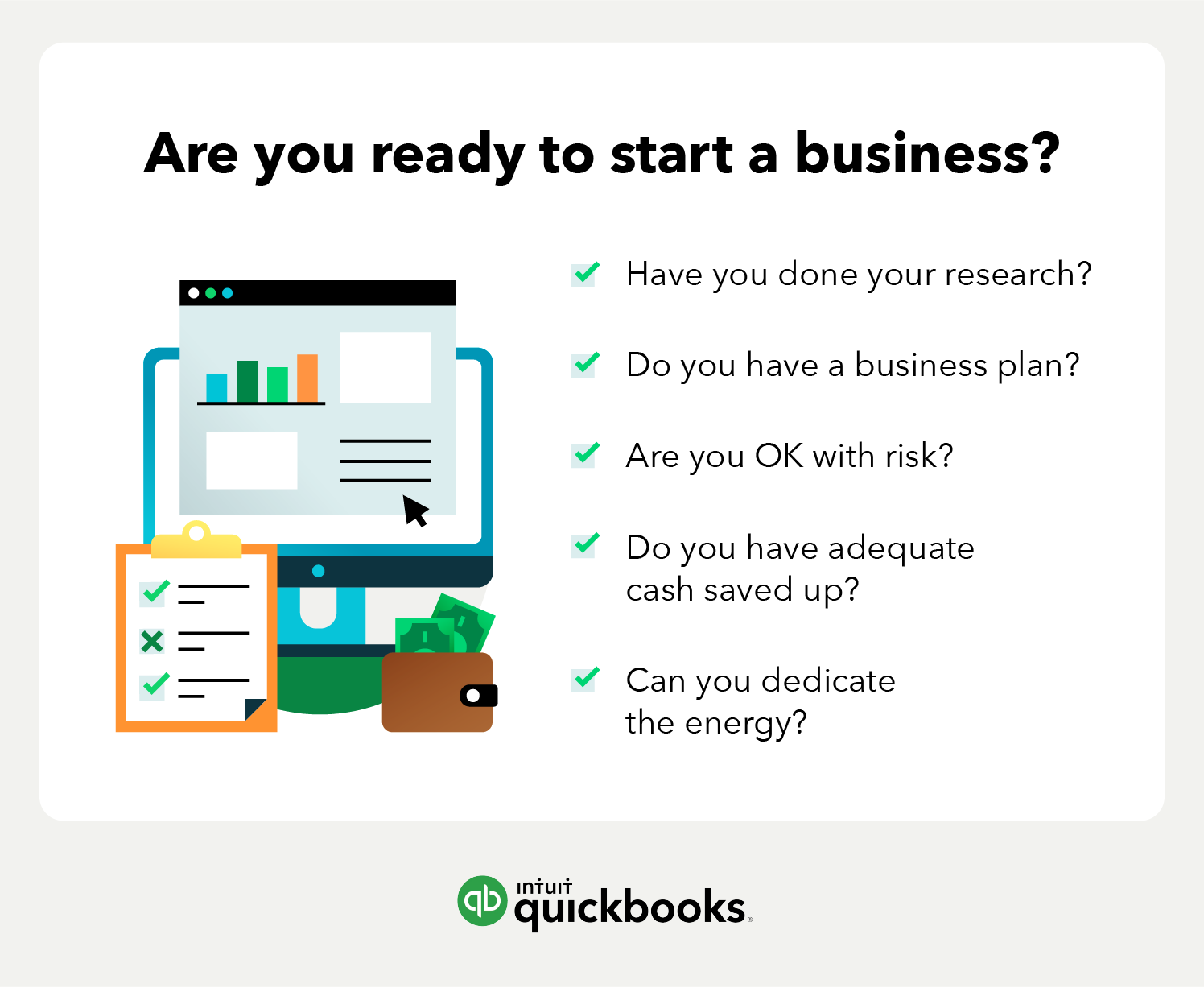
The next step you want to take is to carefully construct a business plan. In short, this will be the mission and goals of your new business and how you plan on attaining them. This should serve as your guide to direct your decision-making about your new business. It's also imperative to have an active business plan for most investors who may be willing to fund your new business.
Include the following information in your business plan:
- Executive summary: Summarize your business and its primary goals.
- Company description: Outline your company’s mission, background, and key objectives.
- Market research and potential: Highlight your target audience and current trends in your industry.
- Competitive analysis: Identify your competitors and explain what sets your business apart.
- Products and services: Describe your offerings and the value it delivers to your customers.
- Marketing and sales: Explain how you plan to attract and retain customers.
- Business financials: Present your expected financial performance, including income statements and cash flow forecasts.
- Management and leadership: Introduce your team and emphasize their expertise and qualifications.
- Funding request: Specify the amount of funding you need and explain how you’ll use it.
- Appendix: Include any additional materials, like detailed market research, financial data, or other relevant documents.
Dedicate some time to fully craft your business plan, as this will be your guiding light toward growth and success. To get started, use a free business plan template and contact the Montana Small Business Development Center for further guidance.
Step 4. Choose your business entity: Types of business entities in Montana
Choose your business entity structure. This will influence how the business's taxes are filed and other key parts of its operation. The following are the types of entities for Montana:
Sole proprietorship
A business owned and operated by one person, with no legal distinction between the owner and the business.
General partnership
A business owned by two or more people who share profits, losses, and management responsibilities.
Corporation
A legal entity separate from its owners, with shareholders who have limited liability for the company's debts and obligations.
Limited liability company (LLC)
A hybrid business structure combining the limited liability of a corporation with the tax flexibility of a partnership. Learn more about LLCs.
Step 5. Secure funds: Montana small business funding, loans, and grants
Your business is going to need capital to get started and continue growing over the years. The cost of starting a business can vary depending on the type of business and industry, but you’ll likely have to factor in expenses such as registration fees, licenses and permits, equipment, inventory, marketing, and more. These costs can easily reach tens of thousands of dollars, so be sure to have a plan to secure capital. Here are some funding options to consider:
You can also explore state-specific options, including:
Rural Business Development Grants (RBDG)
RBDG grants are specifically intended to help boost economic development and job creation in rural communities throughout the state. Your business can complete an application at your local USDA Rural Development office.
Montana State Small Business Credit Initiative 2.0 Loan Participation Program (MT SSBCI 2.0 LPP)
This state loan program is all about supporting private funding for small businesses so they're able to expand and create jobs. This program will partner with any certified development financial institutions to cover up to 50% of the loan amount.
Indian Equity Fund (IEF) Small Business Grant
These small business grants are designed to provide financial assistance for Native American businesses that are just starting up or expanding. You can apply for this grant online at Montana's official state website.
Step 6. Choose your Montana business name & Montana ABN/DBA
Choose a name for your business that’s unique, easy to remember, and helps to connect people with the industry that your business is in. It's not uncommon for sole proprietorship owners to use a DBA or ABN (assumed business name) in place of their legal name when conducting business within the state. While you don't have to file for a DBA if you want to operate under your legal name, it can be highly advantageous to attract new customers.
Reserve your business name
Check the Secretary of State's Business Search to ensure no other company has that name. Only one company in the state can have a particular name under which to operate. If your business name is available, then you'll want to register your business online at the Secretary of State's website.
Filing an ABN (Assumed Business Name ) or DBA (Doing Business As)
File for an ABN or DBA if you want to conduct business under a name that is not your legal business name. You can do this at the Secretary of State's website, and you'll need to submit a $10.00 filing fee. Once approved, you can promote your business under your ABN. However, taxes will still get filed under your legal business name as your ABN is not considered a separate business entity. For sole proprietorships, your legal name is your business name. However, it is encouraged to file a trade name to better reflect the products or services you offer.
Step 7. Pick a business location in Montana
There are some great locations in Montana where you should consider starting a new business. In fact, many of its big towns are considered among some of the best in the nation for start-ups and entrepreneurial networks. When picking your location, make sure you're near your intended target market and that the financial barrier to entry is achievable. You should also consider running your business from home, which can help reduce costs such as utilities, rent, and commuting. But if you want or need to set up in a physical location, here are some things about specific cities that are good to know.
Bozeman
Bozeman has one of the strongest economies in Montana, thanks to its booming tourism industry and thriving high-tech sector. Gallatin County leads the state in business growth, with one in every ten new Montana businesses starting here. As the home of Montana State University, Bozeman offers a high quality of life that attracts top talent. Employees enjoy easy access to incredible outdoor recreation, highly-rated public schools, and cultural amenities that rival much larger cities.
Missoula
With its vibrant downtown, rich history, and thoughtful growth strategies, the city blends small-town charm with modern amenities. Thanks to the University of Montana and Missoula College, businesses here benefit from a steady pipeline of talented, educated workers ready to contribute. Missoula is also brimming with innovation, from tech startups and life sciences to arts and manufacturing.
Step 8. Find a Montana registered agent
Every business entity must have a designated registered agent. This agent is responsible for being available during normal business hours to accept any legal documents on behalf of the business. It's their job to not only accept but forward these documents to the necessary business parties for further action. A registered agent can be anyone the business designates who is over 18 years old and has an address other than a P.O. box. As a business owner in Montana, you can designate yourself as the registered agent for your business.
Step 9. Get a Montana EIN and file your tax and employer identification documents
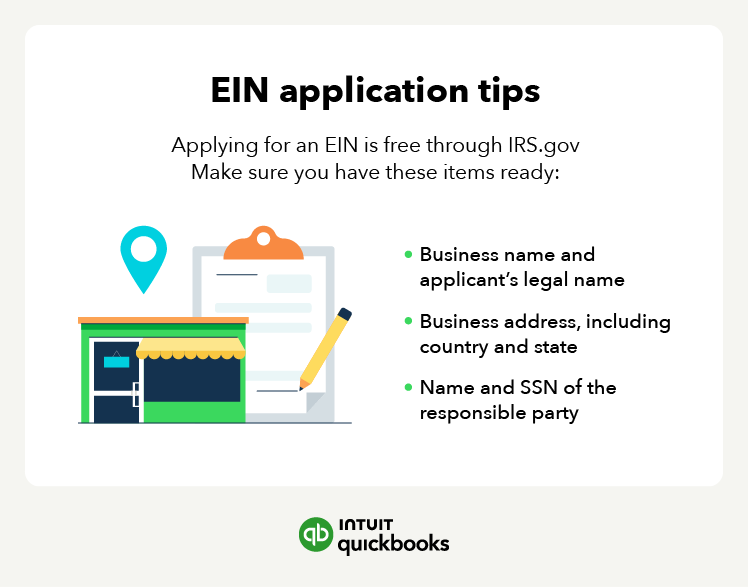
An EIN (Employer Identification Number) is a nine-digit number the IRS uses to identify your business for tax purposes. Although Montana doesn't require a state EIN, you'll need one to file payroll taxes and federal tax returns, open a business bank account, and apply for loans. You can apply for a free EIN through the IRS website.
In order to manage payroll fairly and stay in compliance, stay on top of the Montana overtime laws and Montana pay transparency laws.
Step 10: Register as a small business in Montana
Registering a small business in Montana can be quickly done online at the Secretary of State's website. This website will allow you to check the state's business name database to ensure no other company currently has that name before applying to register your new Montana small business. Here are the requirements depending on your business structure:
Step 11. Register for your business license and permits in Montana
It's not uncommon for Montana businesses to need specific licenses and/or permits to legally conduct operations. These can include licenses like an alcohol beverage control license to sell alcoholic beverages. In many cases, you'll need to file for licensing and/or permitting with both the state and local governments when starting a business.
Do you need a business license in Montana?
There is no one general business license that all companies throughout the state must have. However, there are a variety of licenses that you must obtain to conduct specific types of operations legally. Some of these necessary licenses are included below:
- Professional and Occupational Licenses
- One-Stop Licenses
- Agricultural Certifications
- Construction Contractor Registration
- Independent Contractor Exemption Certificate (ICEC)
You can visit the License List at the Montana Department of Revenue to discover how the application process for all the different professional licenses offered within the state. You'll also need to contact your local city and county offices to discover the application process for all business licenses and permits that your business will need to operate legally.
Step 12. Secure insurance for your Montana small business
The state of Montana requires that most small businesses with employees have workers' compensation insurance and that any companies using vehicles for business operations have commercial auto insurance. There are many different types of insurance policies you can obtain for your Montana small business to help protect your financial well-being if something unfavorable happens.
Types of small business insurance in Montana
The following are the common types of business insurance:
Step 13. Prepare to pay taxes on your business in Montana
Montana has no sales tax, which can be highly beneficial to small businesses. However, it's important to note that some local municipalities may impose a local tax on certain goods or services. As a small business, you'll want to become familiar with a few different taxes.
Corporate income tax
All Montana corporations must file a Montana corporate income tax return each year and be subjected to a 6.75% tax rate. Shareholders will also pay taxes on dividends. If partners of an LLC choose to file as a partnership, they can pay personal income tax instead of corporate income tax.
Personal income Tax
Partnerships and sole proprietors will have their portion of the business's earnings subject to personal income tax that is charged on a graduated level, with rates ranging from 4.70 to 5.90%. All LLCs that elect to be taxed as partnerships fall into this category as well.
Property tax
All commercial properties will have to pay property taxes that are equal to 1.89% of the property's taxable value.
Other unique Montana tax situations
Some manufactured goods will have an excise tax levied on them that you'll be responsible for paying. These include gasoline, alcohol, and tobacco.
Job Growth Incentive Tax Credit (JGTC)
This provides a tax credit equal to 50% of employer-paid federal insurance contribution taxes for qualifying employees to encourage Montana-based businesses to offer more high-paying jobs.
New Industrial Property Tax Abatement
Manufacturing alongside research and development businesses that establish a new location within the state of Montana will receive a 3% reduced taxable valuation on their commercial property for a period of three years.
Apprenticeship Tax Credit
Businesses that offer on-the-job training through the Montana Registered Apprenticeship Unit are eligible for a $750 tax credit for new registered apprentices and a $1,500 tax credit for new veteran registered apprentices.
Federal taxes
In addition to state and local taxes, all businesses must pay applicable federal taxes, including:
- Federal income tax
- Self-employment tax (for sole proprietors and partners)
- Employment taxes (if you have employees), including the Federal Unemployment Tax Act (FUTA tax)
- Excise taxes (for certain industries)
To ensure you understand your federal tax obligations, check out these IRS resources: Publication 334, Tax Guide for Small Business and Publication 583, Taxpayers Starting a Business and Keeping Records.
Step 14. Set up your business bank account
Establish a business bank account so you can deposit revenue and pay vendors and employees. To open a business bank account,
- Gather all your business paperwork, including your EIN, business formation documents, registrations, permits, and licenses to open your small business bank account.
- Select a bank or credit union that provides the financial tools you need, like checking accounts, business loans, merchant services, and high-yield savings options.
- Build your business credit by using a dedicated credit card for company expenses and purchases.
- Organize your financial records by choosing accounting software that suits your business needs.
- Consider hiring a professional accountant with expertise in local tax regulations and your industry to handle your bookkeeping and financial management.
Additional resources to get your business started
There are several state and federal resources that can support your business with guidance, training, potential funding and more.
State resources
- Montana Department of Commerce: This department offers a wide range of programs and resources, including economic development grants, technical assistance, and workforce training programs.
- Montana Small Business Development Center (SBDC): This center provides free business advising, low-cost training, and support for small business owners and entrepreneurs across the state.
- Montana Governor's Office of Economic Development: This office is focused on helping businesses learn about state services, access tax incentives, and find programs to boost their success.
- Montana Department of Revenue: This department assists with tax registration, reporting requirements, and accessing information about state tax credits and incentives for businesses.
Federal resources
- Small Business Administration (SBA): The SBA supports small businesses through various loan programs, including the 7(a) loan, provides resources for government contracting, and offers counseling and training programs to help entrepreneurs start and grow their businesses.
- Grants.gov: This centralized platform simplifies the process of searching for and applying for federal grants across various sectors. It also provides grant writing tips and has a Grants Learning Center featuring the basics of grants, eligibility, and more.
- Small Business Innovation Research (SBIR) and Small Business Technology Transfer (STTR): SBIR and STTR programs provide research and development funding to innovative tech companies.
- SCORE: SCORE is a national nonprofit organization that partners with the U.S. Small Business Administration (SBA) to provide free mentoring and educational resources to entrepreneurs and small business owners. While not a direct federal agency, SCORE is an independent organization with a network of volunteer business mentors across the United States.
- U.S. Department of Agriculture (USDA): The USDA website lists grants, loans, and other programs and resources for farmers and other businesses serving rural America.
Frequently asked questions
Disclaimer:
This content is for information purposes only and information provided should not be considered legal, accounting or tax advice or a substitute for obtaining such advice specific to your business. Additional information and exceptions may apply. Applicable laws may vary by state or locality. No assurance is given that the information is comprehensive in its coverage or that it is suitable in dealing with a customer’s particular situation. Intuit Inc. does not have any responsibility for updating or revising any information presented herein. Accordingly, the information provided should not be relied upon as a substitute for independent research. Intuit Inc. cannot warrant that the material contained herein will continue to be accurate, nor that it is completely free of errors when published. Readers should verify statements before relying on them.
Recommended for you



Get the latest to your inbox
No ThanksLooking for something else?
Call Sales: 1-800-285-4854




