QuickBooks Blog
A person sitting at a table with a laptop.
North Carolina

North Carolina payroll taxes: Your 2025 guide to staying compliant

North Carolina, with its fast-growing economy and diverse industries, is home to more than 1.1 million small businesses. These small enterprises make up 99% of the state’s business landscape. North Carolina is a good place for businesses. However, employers need to understand the payroll tax rules. These rules apply to companies based in the state and those with workers there. Understanding these rules is essential for maintaining compliance and securing smooth payroll operations.

Let’s get into the key aspects of North Carolina payroll taxes. Understanding these is crucial for keeping your business compliant and your employees satisfied.

Jump to:

What are payroll taxes?

Payroll taxes are taxes based on wages, salaries, or other compensation that both employers and employees must pay. While income taxes are also withheld through payroll, payroll taxes specifically fund programs like Social Security, Medicare, and unemployment insurance.

Understanding North Carolina state payroll taxes

When starting a business in North Carolina, you'll need to understand both federal and state payroll taxes.

Federal payroll taxes

Payroll taxes are mandatory and encompass both federal and state requirements. 

Federal payroll taxes include:

  • Federal income tax: This is withheld from each employee's paycheck based on their W-4 form and the current IRS tax brackets. You'll be responsible for calculating the correct amount, withholding it, and then sending it to the IRS.
  • Social Security and Medicare taxes: Both of these taxes have a portion paid by the employee and a matching portion paid by you, the employer. For Social Security, the combined rate is 12.4% on the first $176,100 of wages in 2025. For Medicare, it's 2.9% on all wages, with an extra 0.9% for higher earners. You'll withhold the employee's portion and match it.
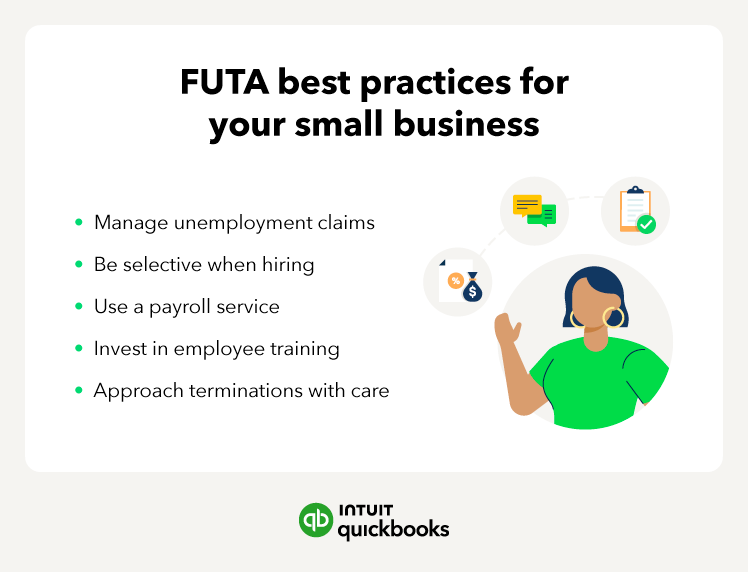
  • Federal Unemployment Tax (FUTA): This is paid solely by you at a rate of 6% on the first $7,000 of each employee's wages. However, most employers get a 5.4% credit, reducing the rate to 0.6%. The graphic below lists some best practices for managing your FUTA obligations.
A person is preparing a video for a class.

North Carolina state payroll taxes

In addition to federal payroll taxes, North Carolina employers must comply with several state-specific payroll taxes.

  • North Carolina Income Tax Withholding: Employers must withhold state income tax from employee wages. North Carolina has a flat income tax rate of 4.25% for all taxable income in 2025. This makes withholding calculations easy, unlike states with graduated rates.
  • State Unemployment Insurance (UI): Employers contribute to North Carolina’s unemployment insurance program. The taxable wage base for UI is $32,600 per employee per year. Contribution rates vary depending on the employer’s experience rating, generally ranging from 0.06% to 5.76%. New employers usually begin with a standard rate set by the state.
  • Workers’ Compensation Insurance: Employers in North Carolina must provide workers’ compensation insurance if they have three or more employees. This isn’t a payroll tax, but it requires premium payments. These payments depend on payroll amounts and the risks of the industry.

North Carolina local payroll taxes

No cities or counties in North Carolina levy local income taxes. Some cities and counties in North Carolina may charge local business license fees. This is on top of federal and state payroll taxes. These obligations can vary depending on your business location. Here are some ways to identify any local fees you might need to pay:

  1. Check with your local government to verify whether your business is subject to any license requirements or fees. They can provide the most current details on rates, regulations, and licensing requirements specific to your area.
  2. Consult a tax professional if you’re uncertain about local payroll tax rules or need help ensuring compliance. An accountant specializing in North Carolina payroll taxes helps you find local tax obligations. They will also keep your business on track.

Other important tax considerations

Multiple locations

If your business has employees working in multiple cities or counties, you may be subject to different local licensing requirements and fees for each location.

Changing rates

Local tax rates can change over time, so it's important to stay informed about any updates that may affect your business.

Employer responsibilities for payroll taxes in North Carolina

As a North Carolina employer, you're responsible for managing a complex array of federal and state payroll taxes, which involves careful calculation, timely withholding, and accurate reporting to various government agencies. Here’s an overview of what you should know.

Registering for payroll taxes

Employers in North Carolina must register for payroll taxes. They need to do this before starting their business operations. Registering helps manage important tasks. These include unemployment insurance contributions, state income tax withholding, and timely wage reporting. Here are the key steps to complete your payroll tax registration:

  • Obtain an Employer Identification Number (EIN): Before you register for state payroll taxes, first get a federal Employer Identification Number (EIN) from the IRS. The EIN is necessary for federal tax reporting and setting up state tax accounts. You can apply for an EIN online through the IRS website at no cost.
  • Register with the North Carolina Department of Revenue (NCDOR): After getting your EIN, register your business with the North Carolina Department of Revenue. Do this for state income tax withholding using the NCDOR online portal. After you register, you will get a North Carolina withholding tax account number. You will use this number for filing tax returns and paying payroll taxes.
  • Register with the North Carolina Division of Employment Security (DES): Employers must register with the Division of Employment Security. Create an employer account for unemployment insurance. You can do this online through the DES NSUITS portal. When you register, you will receive an employer account number. You must file quarterly wage reports and pay unemployment insurance taxes.
  • Report New Hires: North Carolina law states that employers must report all new or rehired employees within 10 days of their start date. This helps the state enforce child support orders and prevent fraud. Submit reports to the North Carolina New Hire Reporting Center, which accepts submissions online, by mail, or by fax.

Calculating payroll taxes

Accurately calculating payroll taxes is crucial for maintaining compliance and avoiding costly penalties. North Carolina employers have several tools at their disposal to ensure correct tax calculations:

  • Check government websites: The North Carolina Department of Revenue offers tax rate tables, withholding formulas, and guides for employers. These tools help ensure correct income tax withholding. These resources are regularly updated and available on the department’s website.
  • Payroll software: Some small business software payroll programs have built-in North Carolina tax tables that automate calculations, saving you time and minimizing the chance for errors.
  • Professional services: If you prefer to outsource payroll, a professional payroll service can handle everything for you.

Whichever method you choose, make sure you stay updated on the current tax rates and wage limits, as these can change every year.

Withholding state payroll taxes

After you calculate payroll taxes, withhold the right amounts from your employees’ pay. Then, send those amounts to the correct state and federal agencies. Complying with North Carolina's payroll tax deadlines and payment rules is crucial. This helps you avoid late fees and penalties.

State Income Tax: North Carolina needs employers to withhold state income tax from employee pay. This is from Form NC-4 (Employee’s Withholding Allowance Certificate) and the latest state tables for withholding. The 2025 flat income tax rate is 4.25%, a decrease from previous years, and it applies to all income brackets without exception.

  • Example: If an employee earns $4,000 in gross monthly wages, you would withhold $170 in state income tax (4.25% of $4,000), assuming no additional allowances or deductions.

Unemployment Insurance (UI): Employers in North Carolina bear full responsibility for paying unemployment insurance taxes. The taxable wage base for 2025 is $29,600. Employer contribution rates change based on experience ratings. New employers usually begin at a standard rate, such as 1.0%.

  • Example: If a new employer pays an employee $3,000 in wages during the month and has a 1.0% UI rate, they would owe $30 in UI tax for that employee.

By applying these calculations to each paycheck, you ensure accurate withholdings and compliance with state requirements.

Remitting state payroll taxes

If you withhold taxes from employee paychecks in North Carolina, you must file payroll tax returns with the state. Proper filing ensures you stay compliant with state regulations and avoid costly penalties.

Filing payroll tax returns in North Carolina

North Carolina requires employers to submit both quarterly and annual payroll tax reports. These filings include details on employee wages, state income tax withheld, and employer contributions, such as unemployment insurance. Stay updated on due dates and filing methods. Check the North Carolina Department of Revenue and the Division of Employment Security for details.

Quarterly requirements

Annual requirements


Penalties for late filing or non-compliance and tips for staying organized

Failing to file payroll tax forms or remit payments on time can lead to costly penalties for North Carolina employers. The state may charge interest and late fees for delinquent returns, which can accumulate over time and impact your business’s cash flow. The IRS can penalize you for late deposits. They also penalize for incorrect filings or not withholding payroll taxes. These rules follow federal regulations. Staying compliant is key. It helps you avoid extra costs and protects your company’s reputation.

Here are a few strategies to help you stay current with your payroll tax responsibilities:

  • Set reminders: Keep track of filing deadlines by using digital calendars, reminder apps, or payroll software that alerts you ahead of due dates. Staying organized can help ensure you never miss a critical deadline.
  • Consider payroll software: Invest in reliable payroll software that automatically calculates taxes and reminds you of upcoming deadlines. You’ll minimize calculation mistakes and missed payments.
  • Outsource payroll: If handling payroll yourself is too hard or takes too much time, think about getting a payroll provider. They handle tax compliance from start to finish. This gives you peace of mind, knowing they manage everything with care and on time.
  • Seek professional help: If you have any questions or concerns about payroll taxes, don't hesitate to consult with a tax professional or accountant. They can provide expert guidance and help you tackle the complexities of payroll tax compliance.
Image Alt Text

Payroll tax credits and incentives

North Carolina provides different payroll tax incentives. These incentives boost job creation, help underserved groups, and drive economic growth. Using these credits can lower your tax bill and help your business support social and economic goals. Below are some key credits and programs available to North Carolina employers:

Federal Research and Development (R&D) Tax Credit

Startups and small businesses can apply for a federal R&D credit. They may use up to $500,000 each year to offset their employer Social Security payroll tax. This helps innovative companies continue investing in research during early growth stages.

Federal Unemployment Tax Act (FUTA) Credit

Businesses that pay their North Carolina state unemployment insurance (SUI) taxes on time can receive a FUTA credit of up to 5.4%. This reduces the effective FUTA tax rate from 6.0% to 0.6% on the first $7,000 in wages paid to each employee.

Work Opportunity Tax Credit (WOTC)

With the WOTC, employers that hire individuals from specific target groups, including veterans, long-term unemployed, and individuals receiving public assistance, may qualify for a federal tax credit of up to $9,600 per eligible new hire.

Small Business Credit

Small employers can gain from the North Carolina Small Business Credit Initiative (NC SSBCI). The NC SSBCI helps businesses get capital. It provides loan participation, collateral support, and venture capital funding. These programs boost small business growth. They also make it easier to access financing in many industries.

Job Development Investment Grant (JDIG)

North Carolina gives grants based on performance to companies that are expanding or moving to the state. The Job Development Investment Grant (JDIG) isn't a payroll tax credit, but it does help lower job creation costs. It connects to payroll growth. It provides annual grant payments for up to 12 years.

One North Carolina Fund

This grant program helps businesses create new jobs. It also supports investment in local communities. The One North Carolina Fund, like JDIG, focuses on job creation. It often ties to growing payroll operations in the state.

Industries frequently benefiting from North Carolina business tax credits

  • Technology and Research & Development (R&D) Firms. North Carolina fosters innovation with the federal R&D Tax Credit, This credit lets qualifying businesses reduce payroll taxes based on their research spending. North Carolina has ended its state-level R&D credit. Tech companies can benefit from workforce development grants and other incentive programs from the North Carolina Department of Commerce.
  • Green and Sustainable Businesses. Companies that invest in renewable energy, alternative fuels, or energy-efficient technology can receive federal credits. An example is the Energy-Efficient Commercial Buildings Deduction (Section 179D). This deduction is for businesses in North Carolina. State programs, such as the North Carolina Clean Energy Plan supports sustainability. They also offer matching grant opportunities to encourage green business practices.
  • Film and Television Production Companies. North Carolina has the Film and Entertainment Grant Program. It gives back up to 25% on eligible in-state spending for film, television, and digital media productions. This incentive encourages media production within the state and supports local economies.
  • Manufacturers. Manufacturing companies in North Carolina may qualify for Job Development Investment Grants (JDIG). This is true particularly in cases where they create many jobs and make large investments. These grants can help reduce payroll costs. They also attract long-term growth in both rural and urban areas.

Consult with a tax professional to understand what tax credits and incentives you could potentially apply to your business.


Common payroll tax mistakes in North Carolina (and how to avoid them)

Handling payroll tax duties in North Carolina can be tough, especially for new employers. Here are some of the most common payroll tax mistakes businesses make and how to avoid them.

Misclassifying Workers

Classifying employees as independent contractors in error can result in penalties and back taxes. North Carolina follows IRS rules. It also has its own standards from the NC Industrial Commission and the Department of Revenue. When unsure, seek advice from a payroll expert or tax professional.

Missing Deadlines

North Carolina requires timely payroll tax reporting and payments. Delays can lead to fines and interest charges. Use scheduling tools or payroll software. They help you track due dates for income tax withholdings and unemployment insurance filings.

Incorrect Withholding Calculations

Withholding North Carolina state income tax is important. It is different from federal calculations. Always use the latest NC-4 withholding forms. Also, check that your payroll system has the current state rates set up.

Overlooking Local Requirements

North Carolina doesn't have many local payroll taxes. However, some towns or authorities may charge extra fees or require business licenses related to employment. Verify any local compliance needs based on your business address.

Failing to Update Employee Forms

Employees should complete updated NC-4 forms when their personal or financial situations change. Using outdated information can cause withholding errors and compliance issues. Review and refresh these forms on a regular basis.

Miscalculating Unemployment Insurance (UI) Rates

North Carolina assigns a unique UI rate to each employer based on experience. Incorrect application of updated rates may result in overpayments or underpayments. Refer to notices from the Division of Employment Security (DES) each year for accurate rate information.

Poor Recordkeeping

North Carolina businesses must maintain detailed payroll and tax records for at least five years. Cloud-based payroll systems and digital filing solutions make it easier and safer to store and access records.

Tip: QuickBooks Payroll can help you avoid these common mistakes by automating calculations, tracking deadlines, and keeping accurate records.

How to manage your small business payroll obligations 

Understanding the nuances of North Carolina's payroll taxes and regulations can take some time. Follow our small business tax preparation checklist and these steps to help you manage your payroll taxes.

Step 1. Partner with a tax professional

Consult a tax professional familiar with North Carolina’s payroll taxes and regulations. They can help you with compliance requirements. They also cover local tax details and possible tax benefits for your business.

Step 2. Explore payroll software

Consider using payroll software to streamline your payroll processes. QuickBooks automates tax calculations. It reduces errors and helps meet North Carolina laws.

Step 3. Proactively plan for compliance

Stay informed about North Carolina’s payroll tax deadlines and updates. Payroll software, combined with expert guidance, can help ensure you meet state and local requirements.

Step 4. Optimize your tax strategy

Collaborate with your tax expert to find deductions, credits, or incentives that can help your business. Use software reports to understand your payroll data. This helps you spot ways to save.

Step 5. Build a financially strong foundation

Get expert guidance and the right tools to manage payroll taxes. This way, you can focus on growing your business in North Carolina.

What are the payroll taxes in North Carolina?

North Carolina’s payroll taxes include State Income Tax withholding and Unemployment Insurance (UI). Each tax has its own rates and payment duties. Employers pay UI taxes. Employees usually handle state income tax withholdings.

Calculating payroll taxes in North Carolina

Payroll tax calculations in North Carolina depend on several factors, including:

  • Employee wages and taxable income
  • Employer’s Unemployment Insurance (UI) tax rate
  • Federal and state tax requirements

For employees, the main payroll taxes are: 

  • North Carolina State Income Tax withholding
  • Federal income tax
  • FICA (Social Security and Medicare taxes)

For employers, the main payroll taxes are:

  • North Carolina Unemployment Insurance (UI)
  • Federal Unemployment Tax (FUTA)

To calculate North Carolina payroll taxes, you can use several resources. Check the North Carolina Department of Revenue’s withholding tax tables and guidelines. You can also use payroll software designed for North Carolina taxes. If needed, consult a qualified tax professional for help. These tools and experts make sure your payroll calculations are accurate and follow state rules.

It’s essential to stay updated on the current rates and regulations, as they can change annually.

Leverage payroll software for compliance in North Carolina

Managing payroll in North Carolina requires accuracy due to complex regulations. Errors can lead to penalties and legal risks, but QuickBooks streamlines payroll management to ensure compliance. It automatically calculates, files, and pays federal and state payroll taxes—with a 100% accuracy guarantee.** You'll stay current with North Carolina tax law changes, easily generate reports for filings, and get up to $25,000 in penalty coverage if issues arise.**


Disclaimer: 

**Accuracy Guaranteed: Available with QuickBooks Online Payroll Core, Premium, and Elite. We assume responsibility for federal and state payroll filings and payments directly from your account(s) based on the data you supply. As long as the information you provide us is correct and on time, and you have sufficient funds in your account, we’ll file your tax forms and payments accurately and on time or we’ll pay the resulting payroll tax penalties. Guarantee terms and conditions are subject to change at any time without notice.

Tax penalty protection: If you receive a tax notice and send it to us within 15 days of the tax notice we will cover the payroll tax penalty, up to $25,000. Additional conditions and restrictions apply. Only QuickBooks Online Payroll Elite users are eligible to receive tax penalty protection.

This content is for information purposes only and information provided should not be considered legal, accounting or tax advice or a substitute for obtaining such advice specific to your business. Additional information and exceptions may apply. Applicable laws may vary by state or locality. No assurance is given that the information is comprehensive in its coverage or that it is suitable in dealing with a customer’s particular situation. Intuit Inc. does not have any responsibility for updating or revising any information presented herein. Accordingly, the information provided should not be relied upon as a substitute for independent research. Intuit Inc. cannot warrant that the material contained herein will continue to be accurate, nor that it is completely free of errors when published. Readers should verify statements before relying on them.


Recommended for you

Mail icon
Get the latest to your inbox
No Thanks

Get the latest to your inbox

Relevant resources to help start, run, and grow your business.

By clicking “Submit,” you agree to permit Intuit to contact you regarding QuickBooks and have read and acknowledge our Privacy Statement.

Thanks for subscribing.

Fresh business resources are headed your way!

Looking for something else?

QuickBooks

From big jobs to small tasks, we've got your business covered.

Firm of the Future

Topical articles and news from top pros and Intuit product experts.

QuickBooks Support

Get help with QuickBooks. Find articles, video tutorials, and more.