








California has attracted entrepreneurs since the days that gold prospectors flocked to the West to strike it rich — and eventually, it became the place where companies like Apple, Mattel, and Hewlett-Packard began as small businesses. In other words, if you’re interested in starting a sole proprietorship in California, you’re in historically good company.
Whether you're looking to capitalize on the state's thriving tech scene, tap into its booming tourism industry, or bring a unique product or service to market, starting a sole proprietorship here can be your first step toward achieving your entrepreneurial dreams. Below, we’ll talk about some key information that sole proprietors should know, including how to start, register, and get licenses for your California sole proprietorship.
Jump to:
- What is a sole proprietorship?
- Why consider a sole proprietorship in California?
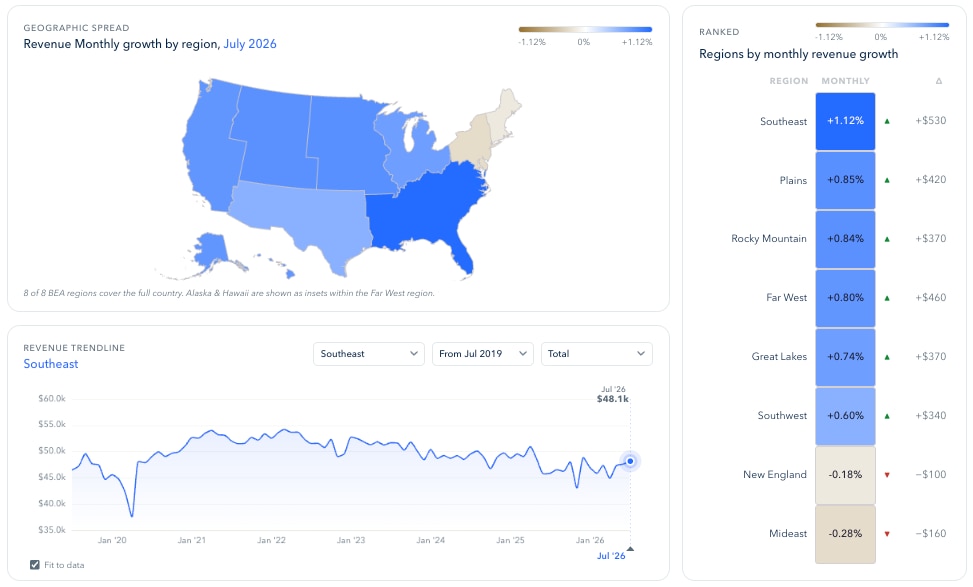
- California SMB data in 2026
- Steps for how to start a sole proprietorship in California
- Step 1: Choose a name for your California sole proprietorship
- Step 2: File an FNB statement
- Step 3: Obtain licenses and permits for your sole proprietorship
- Step 4: Get an EIN
- Step 5: Open a bank account for your sole proprietorship
- Step 6: Ensure you have insurance for your sole proprietorship
- Step 7: Maintain compliance: Report and pay your taxes
- Sole proprietorship vs LLC in California: What's the difference?
- When should a sole proprietor switch to an LLC?
- Benefits of operating a sole proprietorship in California
- Disadvantages of operating a sole proprietorship in California
- How are sole proprietorships taxed in California?
- Are sole proprietorship taxes higher than LLC taxes in California?
- California resources for small businesses
- Federal resources for small businesses
- How QuickBooks helps California sole proprietors