








You could save up to 25% on transaction costs².
Speak with us now to see if you qualify.
Talk to sales 1-800-515-8366
Monday - Friday, 6 AM to 4 PM PT

Table of contents
Table of contents
Key takeaways:
In the latest QuickBooks Small Business Insights Report, 78% of businesses named growth as being a top priority. If that’s your aim, you already have the experience and knowledge you need. The next step is coming up with a strategy to expand while protecting your profitability and cash flow.
These 10 key insightful small business strategies will help you scale up your company with confidence.
Growth without a clear plan leads to wasted money and personal burnout. Know the direction you want to go in first before deciding on tactics.
Start with a simple framework: Where are you now, where do you want to be in 12 months, and what's the one constraint holding you back?

A good growth plan starts with knowing your current cash flow, because it's hard to decide how much to spend on expanding your business if you don't have a clear picture of what's left after paying your bills.
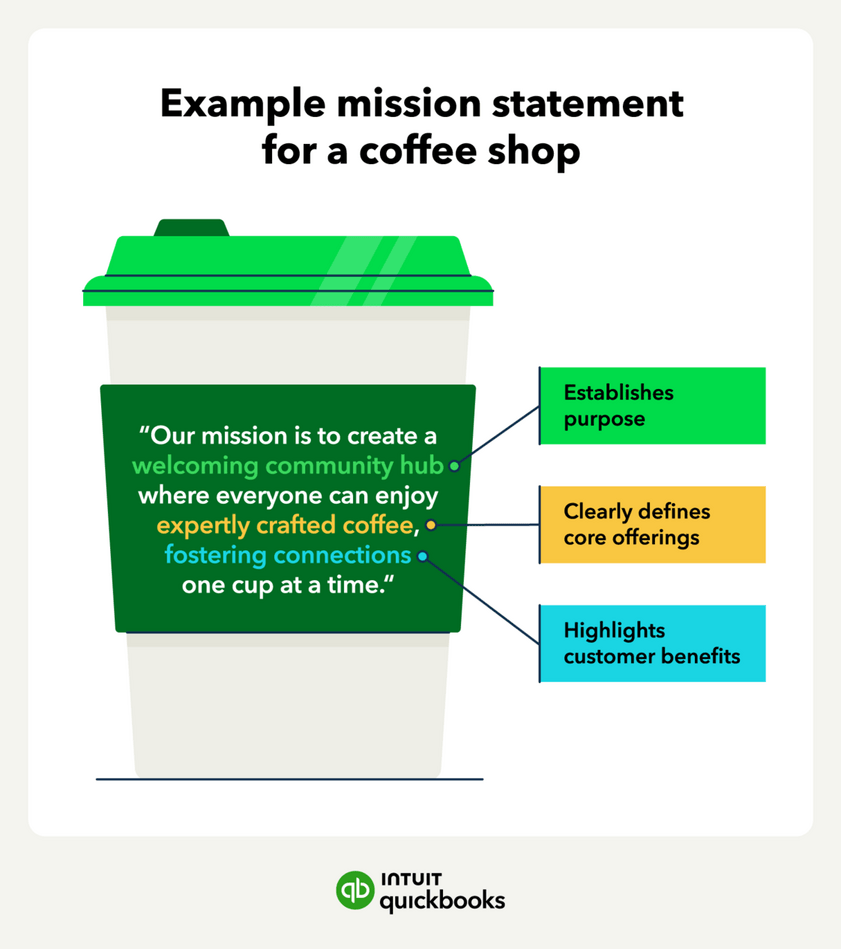
It’s worth writing a new or revisiting a current mission statement before you start scaling. It sets out who you serve and what you do for them, and this clarity makes it easier for you to communicate what value you provide your customers. A statement also acts as a decision filter, as it helps you see whether a new product, market, or hire is a good fit with the business you've been building.
Most business growth strategies for small businesses feature one of the following:
Focus on one or two measurable goals rather than trying to do everything at once. For example, a landscaping business might aim to increase its prices by 15%, or aim to add three commercial properties to its regular schedule each month.
Be careful, though, because setting too many goals or too-tight deadlines can leave you frustrated and disappointed when you aren’t able to achieve them.

Set your first business goal with what has the most positive impact on revenue. For example, if you’re turning away work, aim to build capacity. If you’re rushed out your feet but not making that much profit, focus on raising your prices
If you've been in self-employment for a while, you'll know there's only so much one person can do. The first few hires you make will speed up or hamper your expansion, so getting this right is more important than doing it fast.
Identify which role to fill first by looking at where your time as owner is most bottlenecked. That could be sales if you're turning away inquiries because you don't have enough time, or site management if you're stuck on one job when you should be quoting for the next.
Before you commit, figure out whether you need someone permanent or whether a freelancer or contractor would do the job. Here's how they compare:
Whichever route you choose, forecast the cost against your revenue for the next three to six months before making your decision. If it looks like you can't cover a full-time salary without dipping into the reserves you’ve built, start with a contractor. When revenues and working capital are higher, revisit your decision then.
If you do hire, choose carefully because, on a small team, one bad hire is felt everywhere, by your team and your customers. Qualifications matter, but so does the person fitting into the way you actually work.
At this size, someone who shows up on time and gets along with the rest of the team is worth more than the strongest resume in the pile. Good employee retention comes from getting this decision right at the start.
The most effective strategies for business growth are those that let the business run smoothly without having you trapped in every minor task. When you eliminate operational bottlenecks, you unlock the capacity to scale.

Administrative tasks like invoicing, expense tracking, inventory tracking, payroll, and customer follow-ups deliver the highest return on investment when automated. Today, AI-driven accounting software handles these repetitive chores in the background, transforming data entry into business intelligence.
AI assistants (like Intuit Intelligence) can help you optimize by:
By putting routine operations on autopilot with built-in AI, you stop working in the day-to-day minutiae and give yourself the freedom to work on your long-term expansion strategy.
For most small businesses, referrals, word of mouth, and small business advertising on social media are the channels that deliver the best return for the least spend when you're figuring out how to attract customers. The key is picking one or two that your audience visits regularly and consistently sharing useful, relevant content with them.
Winning new customers is always important, but keeping existing ones costs you far less and pays off faster. For example, a follow-up email after a job, a simple loyalty bonus, or quick follow-up to questions can turn a one-off sale into a regular customer. Happy customers leave great reviews, recommend you to friends, and come back to buy more from you without you having to ask. That kind of relationship is something no ad budget can buy.
In plain language, a sales funnel is the journey a company sets up to take someone who has shown an interest in what they do right through to the point where they become a paying customer. Most small businesses lose potential sales simply because they don't have a process in place for following up with people who didn't say yes the first time.
There are three stages to a sales funnel, and each one is a place where you can lose the sale:
Every lead costs you something to generate, whether that's your time, money spent on ads, or both. If you divide what you spent by the number of customers you actually won, that's your customer acquisition cost (CAC). The more people who drop out of your funnel, the higher that number goes, and that eats into your profit.
Ways to lower your CAC and increase your market penetration:
The most important thing is that nobody who contacts you is left waiting and wondering whether you got their message.

Three in four consumers spend more with businesses that provide a good customer experience, according to Zendesk. Small things, like the following can make a difference
Referrals, repeat business, and positive reviews can all stem from one well-handled job.
Before you expand into new markets or segments, make sure you're ready. If your core business isn't quite where you want it yet, adding a new market gives you twice as much to manage before the first one is right.

Here are three low-risk signs that suggest you're ready to expand:
If the answer to all three is yes, start work on a market development strategy. This is a simple plan that maps out how you'll take what you already sell into a new market. It covers which market to go for first, how much you'll need to spend, and how long before you see a return.
In business, a partnership can be companies referring their customers to each other, launching joint marketing campaigns, or collaborating on a shared product or event.
The best partnerships are with businesses that serve the same type of customer without competing against you, like a wedding photographer and a florist, or an accountant and a financial adviser.
For example, if one side is doing all the referring and getting nothing back, the partnership won't last long. Have a quick catch-up at regular intervals to make sure the arrangement is still working for both of you.
Done well, a partnership drives faster, lower-cost growth than most other routes to market.
Most small business owners have a general sense of how things are going but don't regularly review the specific numbers that predict future growth or trouble.
The metrics that matter most for SMBs are:
Once a month, review your key metrics to track how well you're doing. Understanding your numbers helps you make faster, more informed, and more confident decisions on new hires, cutting costs, and investing in new equipment or stock.
AI accounting software automates routine tasks like categorizing expenses, reconciling transactions, or sending reminders. This reduces the manual work involved in running a business and frees up your time to focus on growth.
AI for small business offers further advantages, like predicting when you'll run low on working capital weeks in advance. This gives you time to reduce spending or arrange funding before it becomes urgent. Other benefits include identifying which customers are likely to pay late, so you can tighten their credit terms or follow up sooner.
 When checking your numbers, find out if any of your expenses qualify for small business tax breaks. Over the course of a year, they can reduce your IRS bill by a decent amount.
Many strategies for business growth require some level of funding. That could mean paying for new premises, buying equipment to increase your capacity, or investing in a seasonal marketing campaign.

The most popular facilities for companies looking to secure business funding are:
QuickBooks Money offers term loans and lines of credit designed for small businesses looking to fund their next move.
When coming to a decision, lenders look at the length of time you’ve been in business, how consistent your revenue is, the accuracy of your books, and your credit score. If you want a much larger amount, download and complete a business plan template to show lenders exactly what the money is for and how it will pay for itself.
Avoid over-borrowing by taking out only enough to fund the specific move you've planned. Have a plan for every dollar you spend, making sure each one is tied to revenue you can realistically expect to earn back.
Small business grants, which you don’t have to repay, are available for specific industries, regions, and types of business. They're always in high demand so apply as soon otherwise it may run out of funds.
Running a business is risky, and so is growing one. Give yourself the best chance of success by planning your next move step by step and tracking the metrics that matter most, so you have enough cash to fund your expansion while staying on top of profitability.
With QuickBooks Online, see where your business is standing in real-time so you can grow your business with confident decisions driven by the data.
Disclaimer:
*QuickBooks Term Loan and QuickBooks Line of Credit loans are issued by WebBank.

Call Sales: 1-800-285-4854