QuickBooks Blog
A businessman calculates payroll taxes in Kentucky
Kentucky

Kentucky payroll taxes: Your 2026 guide to staying compliant

Kentucky's economy is a dynamic blend, known for its strong manufacturing base, particularly in automotive and aerospace, as well as significant contributions from agriculture, healthcare, and tourism. The state's strategic location, robust logistics infrastructure, and skilled workforce make it an attractive place for businesses. In 2024, Kentucky set an all-time record for products shipped globally, with $47.7 billion in exports, an 18.7% increase over the previous year, highlighting its growing economic reach. As businesses thrive in the Bluegrass State, understanding payroll taxes becomes crucial for sustained success and compliance. These taxes are an integral part of operating any business with employees, ensuring that funds are collected for various state and federal programs.

This guide will walk you through the complexities of payroll taxes in Kentucky, from federal obligations to state-specific requirements, helping you navigate your responsibilities.

Jump to:

What are payroll taxes?

Payroll taxes are taxes based on wages, salaries, or other compensation that both employers and employees must pay. While income taxes are also withheld through payroll, payroll taxes specifically fund programs like Social Security, Medicare, and unemployment insurance.

Understanding Kentucky state payroll taxes

When starting a business in Kentucky, you need to understand both federal and state payroll taxes to ensure your business remains compliant.

Federal payroll taxes

Payroll taxes are mandatory and encompass both federal and state requirements.

Federal payroll taxes include:

  • Federal income tax: This is withheld from each employee's paycheck based on their W-4 form and the current IRS tax brackets. You'll be responsible for calculating the correct amount, withholding it, and then sending it to the IRS.
  • Social Security and Medicare taxes: Both of these taxes have a portion paid by the employee and a matching portion paid by you, the employer. For Social Security, the combined rate is 12.4% on the first $176,100 of wages in 2025. For Medicare, it's 2.9% on all wages, with an extra 0.9% for higher earners. You'll withhold the employee's portion and match it.
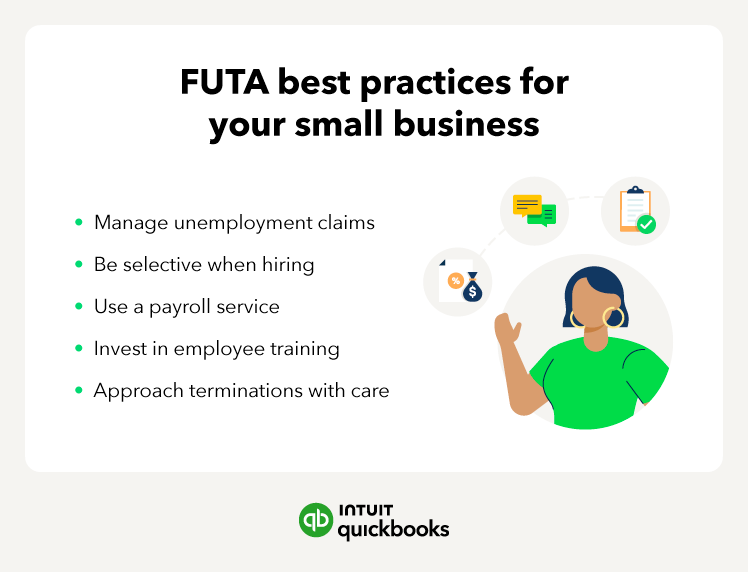
  • Federal Unemployment Tax (FUTA): This is paid solely by you at a rate of 6% on the first $7,000 of each employee's wages. However, most employers get a 5.4% credit, reducing the rate to 0.6%. The graphic below lists some best practices for managing your FUTA obligations.
Futa best practices for small businesses

Kentucky state payroll taxes

In addition to federal payroll taxes, Kentucky employers must also account for state-specific payroll taxes. These primarily include:

  • State Income Tax: Kentucky has a flat individual income tax rate. For 2025, the rate is 4.0% of taxable income. Legislation is in place to further reduce this to 3.5% effective January 1, 2026. This tax is withheld from employee wages. For a deeper understanding of the difference between payroll tax and income tax, explore this resource.
  • State Unemployment Insurance (SUI): Employers in Kentucky are responsible for paying SUI taxes, which fund unemployment benefits for eligible workers. For 2025, the taxable wage base for SUI is $11,700 per worker. New employers (non-construction) typically pay a flat rate of 2.7%. Established employers' rates vary based on their experience rating, ranging from 0.3% to 9.0%. A Surcharge for Unemployment Insurance Fund (SCUF) assessment also continues in 2025. You can find updated information on the Kentucky Office of Unemployment Insurance website.
  • Paid Family and Medical Leave (PFML): A new wage and payroll tax on employees and employers took effect in Kentucky in January 2025 to fund Paid Family and Medical Leave (PFML) benefits for employees, which begin in May 2026. Specific rates and detailed regulations are still being finalized, but employers should be aware of this upcoming obligation.

Kentucky local payroll taxes

When operating a business in Kentucky, it's crucial to consider potential local payroll taxes in addition to state and federal obligations. Many cities and counties in Kentucky levy occupational license taxes, also known as local payroll taxes or "gross receipts licenses," on wages earned by employees working within their jurisdictions, as well as on net profits of businesses.

  1. Check with your local government to learn more about rates and specific regulations, because these local taxes vary significantly from one city or county to another. It is essential for businesses to contact the local government where their employees work or where their business operates to understand their specific obligations. The Kentucky Secretary of State's website may provide a list of tax districts, but direct contact with the city or county revenue or tax office is recommended.
  2. Consult a tax professional to help you navigate the complexity and variation of local payroll taxes across Kentucky. It's highly recommended to consult with an accountant specializing in Kentucky payroll taxes to ensure full compliance. They can help identify all applicable local taxes for your business locations and advise on proper calculation, withholding, and remittance.

Other important tax considerations

Multiple locations

If your business has employees working in multiple cities or counties, you may be subject to different local payroll taxes for each location.

Changing rates

Local payroll tax rates can change over time, so it's important to stay informed about any updates that may affect your business.

Employer responsibilities for payroll taxes in Kentucky

As a Kentucky employer, you're responsible for managing a complex array of federal and state payroll taxes, which involves careful calculation, timely withholding, and accurate reporting to various government agencies. Here’s an overview of what you should know. 

Registering for payroll taxes

To legally operate and pay employees in Kentucky, you must register your business with the appropriate state agencies. This process generally involves:

  • Establishing your business entity: If you are forming a sole proprietorship or general partnership, contact your County Clerk. For all other business structures (e.g., LLC, Corporation), you must register with the Kentucky Secretary of State.
  • Obtaining a Federal Employer Identification Number (EIN): Even if not federally required, the IRS encourages all businesses to obtain an EIN, which is essential for federal tax purposes and often required for state registrations. You can apply for an EIN online through the IRS website.
  • Registering With the Kentucky Department of Revenue: You will need to register for a Kentucky withholding tax account, which can be done online through the MyTaxes.ky.gov portal. This is necessary for remitting state income tax withheld from employee wages.
  • Registering With the Kentucky Office of Unemployment Insurance: Employers must register for a State Unemployment Insurance (SUI) account to pay unemployment taxes. This can be done through the Kentucky Employer's Self-Service (KEWES) website.
  • Registering With the Kentucky Office of Unemployment Insurance: If your business operates in a locality that imposes occupational license taxes, you will also need to register with the relevant city or county government.

Calculating payroll taxes

Once registered, accurately calculating payroll taxes is a critical ongoing responsibility.

  • Check government websites: Kentucky provides resources to help employers determine the correct amounts for state payroll taxes. The Kentucky Department of Revenue offers withholding tax tables and formulas on its website to assist with calculating state income tax. Similarly, the Kentucky Office of Unemployment Insurance provides information on SUI rates and the taxable wage base.
  • Payroll software: Some small business software payroll programs have built-in Kentucky tax tables that automate calculations, saving you time and minimizing the chance for errors.
  • Professional services: If you prefer to outsource payroll, a professional payroll service can handle everything for you.

Whichever method you choose, make sure you stay updated on the current tax rates and wage limits, as these can change every year.

Withholding state payroll taxes

Once you've calculated the correct amounts, you'll need to withhold these taxes from your employees’ wages and remit them to the appropriate authorities. Follow Kentucky’s guidelines for withholding and remittance timelines to avoid penalties.

Kentucky Income Tax: Employers are required to withhold Kentucky individual income tax from their employees' wages. The amount to withhold is based on the employee's Form K-4, "Kentucky Withholding Certificate," and the applicable tax tables or calculation methods provided by the Kentucky Department of Revenue.

  • Example: If an employee earns $2,000 bi-weekly and claims no allowances on their K-4, you would use the state's withholding tables or formulas to determine the appropriate amount of Kentucky income tax to withhold. For 2025, with a flat rate of 4.0%, you would generally withhold 4.0% of their taxable wages, or $80, though other factors and specific tables would be used for precise calculation.

Kentucky Paid Family and Medical Leave (PFML): While specific withholding details are still being finalized, employers will likely be responsible for withholding the employee portion of the PFML tax once it fully takes effect in 2025. This will involve deducting a percentage of wages as stipulated by law.

  • Example: If the PFML rate for employees is set at 0.5% and an employee earns $1,000, you would withhold $5 for PFML.

By applying these calculations to each paycheck, you ensure accurate withholdings and compliance with state requirements.

Remitting state payroll taxes

Businesses in Kentucky are required to remit payroll taxes to the state on a regular schedule, typically monthly or quarterly, depending on the total amount of tax withheld. These payments are generally made electronically through the MyTaxes.ky.gov portal.

Filing payroll tax returns in Kentucky

In Kentucky, employers must comply with quarterly and annual payroll tax return requirements to meet state and federal obligations. Here's a breakdown of 2025 requirements:

Quarterly requirements

Annual requirements

Penalties for late filing or non-compliance and tips for staying organized

Kentucky imposes various penalties for late filing, late payment, or non-compliance with payroll tax obligations. These can include a late filing penalty, a late payment and failure to withhold or collect a penalty, underpayment of estimated income tax, or failure to file or furnish information. Here are some tips to help you avoid these penalties and maintain good standing with state and federal tax authorities:

Maintain accurate records

Keep meticulous records of all payroll, withholding, and tax payments. This includes employee W-4 and K-4 forms, gross wages, deductions, and tax deposit records.

Consider payroll software

Invest in reliable payroll software that automatically calculates taxes and reminds you of upcoming deadlines. You’ll minimize calculation mistakes and missed payments.

Stay informed of changes

Tax laws, rates, and regulations can change annually. Regularly check the Kentucky Department of Revenue and Kentucky Office of Unemployment Insurance websites for updates.

Utilize online platforms

Kentucky offers online portals like MyTaxes.ky.gov and KEWES (Kentucky Employer's Self-Service) for filing and payment, which can help streamline the process and reduce errors.

Set up reminders

Use a calendar or payroll software to set up reminders for all due dates to ensure timely filing and payments.

Seek professional help

If you have any questions or concerns about payroll taxes, don't hesitate to consult with a tax professional or accountant. They can provide expert guidance and help you tackle the complexities of payroll tax compliance.

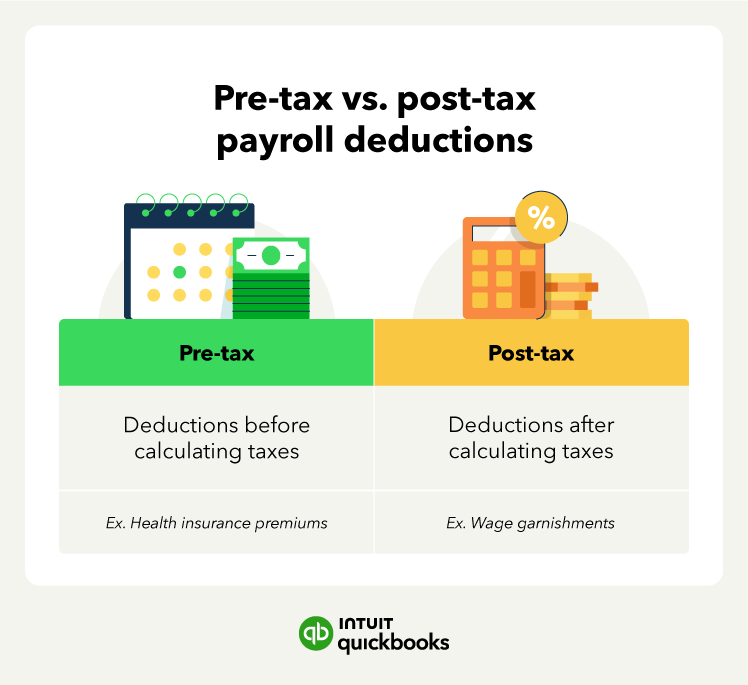
Pre-tax vs post-tax payroll deductions

Payroll tax credits and incentives

Both federal and state governments offer various tax credits and incentives that can help businesses reduce their payroll tax burden or encourage certain activities like hiring specific types of employees or investing in particular areas. These credits can significantly benefit your bottom line.

Federal credits that may apply include:

Federal R&D Tax Credit

The Research and Development (R&D) Tax Credit is a federal incentive for companies that conduct qualified research activities. This credit can reduce your federal income tax liability.

FUTA Credit

Employers who pay their state unemployment taxes on time typically qualify for a significant credit against their Federal Unemployment Tax (FUTA), reducing their effective FUTA rate from 6.0% to 0.6%.

Work Opportunity Tax Credit (WOTC)

This federal tax credit encourages employers to hire individuals from certain target groups who have consistently faced significant barriers to employment. The Kentucky Career Center coordinates the WOTC program for Kentucky businesses, offering credits ranging from $1,200 to $9,600.

Kentucky Small Business Tax Credit (KSBTC)

This program rewards small businesses that create jobs and invest in equipment or technologies. Eligible businesses can receive between $3,500 and $25,000 annually if they hire at least one new full-time employee and spend a minimum of $5,000 on qualifying purchases. More information can be found on the Kentucky Cabinet for Economic Development's website.

Kentucky Angel Investor Tax Credit

This credit aims to encourage individual investors to make capital investments in Kentucky small businesses, promoting job creation and the development of new products. Investors can receive up to 50% of the investment amount in credits. Details are available on the Kentucky Department of Revenue website.

Kentucky Unemployment Tax Credit (KUTC)

This program provides employers a credit of $100 per eligible hire against Kentucky income taxes owed when they hire residents who have been unemployed for 60 days and remain on the payroll for at least 180 days. Information and the application form are available through the Kentucky Career Center.

Kentucky Business Investment (KBI) Program

This program offers tax credits for job creation and capital investment, particularly for new and existing agribusinesses, manufacturing companies, and other key industries.

Skills Training Investment Credits

Approved by the Bluegrass State Skills Corporation, these credits help companies offset training costs for new and existing employees, fostering workforce development.

Industries frequently benefiting from Kentucky business tax credits

  • Manufacturing. As a significant sector in Kentucky, manufacturing companies often qualify for credits related to job creation, capital investment (e.g., through the KBI Program), and research and development.
  • Agribusiness. Given Kentucky's strong agricultural roots, companies in agribusiness may find incentives for investment and job creation.
  • Technology and Innovation. Companies involved in research and development, particularly high-growth startups, can benefit from R&D tax credits and angel investment credits aimed at fostering innovation.
  • Automotive and Aerospace. These key manufacturing sectors, which are central to Kentucky's export economy, may receive targeted incentives for large-scale investments and job creation.
  • Clean Energy. Kentucky offers tax credits for projects that promote energy efficiency and sustainable practices, such as the Kentucky Clean Energy Corps Tax Credits.

Consult with a tax professional to understand what tax credits and incentives you could potentially apply to your business. 

Common payroll tax mistakes in Kentucky (and how to avoid them)

Payroll taxes can be complex, and mistakes can lead to penalties, interest, and even legal issues. Here are some common payroll tax mistakes Kentucky businesses might make and how to avoid them:

Misclassifying employees vs. independent contractors

Incorrectly classifying a worker can lead to significant penalties, including back taxes, interest, and fines. The IRS and Kentucky Department of Revenue have specific criteria to determine worker status.

Late or inaccurate tax deposits

Missing deadlines or submitting incorrect payment amounts can result in penalties. Payroll taxes must be deposited according to federal and state schedules, which depend on your tax liability amount.

Failure to update employee W-4 and Kentucky K-4 forms

Employees' withholding allowances can change due to life events. If these forms aren't updated, the incorrect amount of tax might be withheld, leading to underpayment or overpayment for the employee.

Incorrectly calculating overtime pay

Failure to properly calculate and pay overtime wages according to federal and state labor laws can lead to wage disputes and penalties.

Not keeping accurate records

Comprehensive records of wages paid, taxes withheld, and tax deposits are crucial for audits and compliance. Federal law requires keeping payroll records for at least four years.

Forgetting about local occupational taxes

Many Kentucky cities and counties impose their own occupational license taxes. Failing to register, withhold, and remit these local taxes can lead to penalties specific to the local jurisdiction.

Ignoring changes in tax rates and wage bases

Tax laws and rates, including state income tax, SUI rates, and wage bases, are subject to change annually. Not staying updated can lead to miscalculations.

Not accounting for all taxable fringe benefits

Certain fringe benefits provided to employees (e.g., bonuses, some health benefits, vehicle use) are considered taxable income and must be included in payroll calculations.

Tip: QuickBooks Payroll can help you avoid these common mistakes by automating calculations, tracking deadlines, and keeping accurate records.

How to manage your small business payroll obligations 

Understanding the nuances of Kentucky's payroll taxes and regulations can take some time. Follow our small business tax preparation checklist and these steps to help you manage your payroll taxes.

Step 1. Partner with a tax professional

Consult a tax professional familiar with Kentucky’s payroll taxes and regulations. They can guide you through compliance requirements, local tax nuances, and potential tax benefits for your business.

Step 2. Explore payroll software

Consider using payroll software to streamline your payroll processes. Tools like QuickBooks automate tax calculations, minimize errors, and ensure compliance with Kentucky laws.

Step 3. Proactively plan for compliance

Stay informed about Kentucky’s payroll tax deadlines and updates. Payroll software combined with expert guidance can help ensure you meet state and local requirements.

Step 4. Optimize your tax strategy

Work with your tax professional to uncover deductions, credits, or other incentives that could benefit your business. Leverage software reports to better understand your payroll data and identify opportunities for savings.

Step 5. Build a financially strong foundation

By combining expert guidance with the right tools, you can efficiently manage payroll taxes and focus on growing your business in Kentucky.

Calculating payroll taxes in Kentucky

Payroll tax calculations in Kentucky depend on several factors, including:

  • Employee's gross wages 
  • Employee's W-4 (federal) 
  • Employee’s Form K-4 (state) elections for withholding
  • Applicable federal, state, and local tax rates and wage limits
  • Pre-tax deductions (e.g., 401(k) contributions, health insurance premiums)

For employees, the main payroll taxes are: 

  • Kentucky state income tax
  • Kentucky Paid Family Leave (if applicable)
  • Local occupational taxes (if applicable)
  • Federal income tax
  • FICA (Social Security and Medicare)

For employers, the main payroll taxes are:

  • Federal Unemployment Tax (FUTA)
  • Kentucky State Unemployment Insurance (SUI)
  • Employer's matching portion of Social Security and Medicare taxes
  • Employer's portion of Kentucky Paid Family Leave (if applicable)
  • Employer's portion of local occupational taxes (if applicable)

For precise calculations and current rates, always refer to the official Kentucky Department of Revenue and Kentucky Office of Unemployment Insurance websites, use payroll software configured with Kentucky-specific data, or consult a tax professional.

It’s essential to stay updated on the current rates and regulations, as they can change annually.

Leverage payroll software for compliance in Kentucky

Managing payroll in Kentucky requires accuracy due to complex regulations. Errors can lead to penalties and legal risks, but QuickBooks streamlines payroll management to ensure compliance. It automatically calculates, files, and pays federal and state payroll taxes—with a 100% accuracy guarantee.** You'll stay current with Kentucky tax law changes, easily generate reports for filings, and get up to $25,000 in penalty coverage if issues arise.**


Disclaimer: 

**Accuracy Guaranteed: Available with QuickBooks Online Payroll Core, Premium, and Elite. We assume responsibility for federal and state payroll filings and payments directly from your account(s) based on the data you supply. As long as the information you provide us is correct and on time, and you have sufficient funds in your account, we’ll file your tax forms and payments accurately and on time, or we’ll pay the resulting payroll tax penalties. Guarantee terms and conditions are subject to change at any time without notice.

Tax penalty protection: If you receive a tax notice and send it to us within 15 days of the tax notice, we will cover the payroll tax penalty, up to $25,000. Additional conditions and restrictions apply. Only QuickBooks Online Payroll Elite users are eligible to receive tax penalty protection.

This content is for information purposes only and information provided should not be considered legal, accounting or tax advice or a substitute for obtaining such advice specific to your business. Additional information and exceptions may apply. Applicable laws may vary by state or locality. No assurance is given that the information is comprehensive in its coverage or that it is suitable in dealing with a customer’s particular situation. Intuit Inc. does not have any responsibility for updating or revising any information presented herein. Accordingly, the information provided should not be relied upon as a substitute for independent research. Intuit Inc. cannot warrant that the material contained herein will continue to be accurate, nor that it is completely free of errors when published. Readers should verify statements before relying on them.


Recommended for you

Mail icon
Get the latest to your inbox
No Thanks

Looking for something else?

QuickBooks

From big jobs to small tasks, we've got your business covered.

Firm of the Future

Topical articles and news from top pros and Intuit product experts.

QuickBooks Support

Get help with QuickBooks. Find articles, video tutorials, and more.