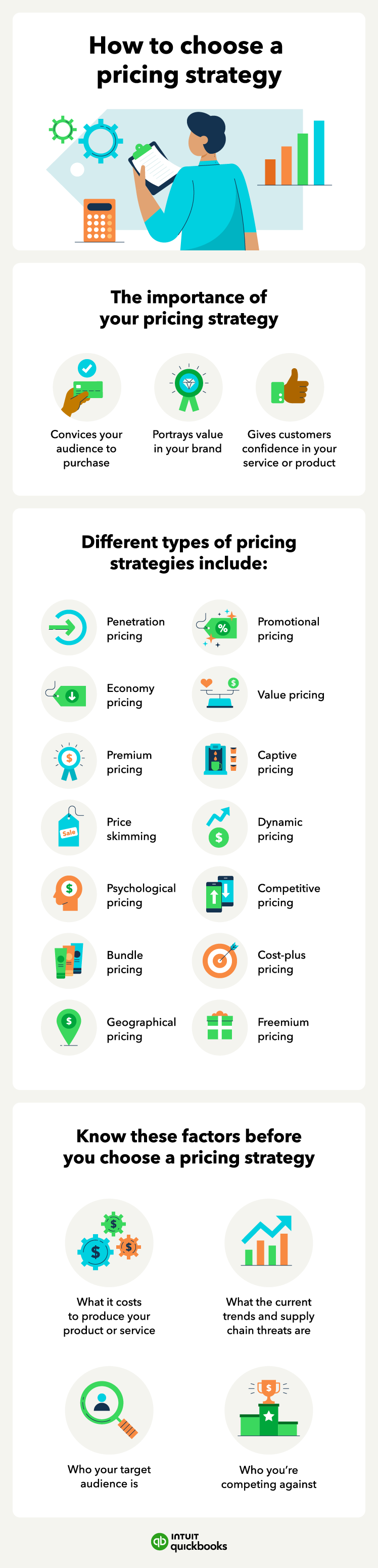
1. Set an objective
Identify the business goal(s) you want to achieve. It might be increasing short-term profitability, penetrating new markets, or becoming a premium brand. Write it out to stay clear on your goal.
2. Identify your audience
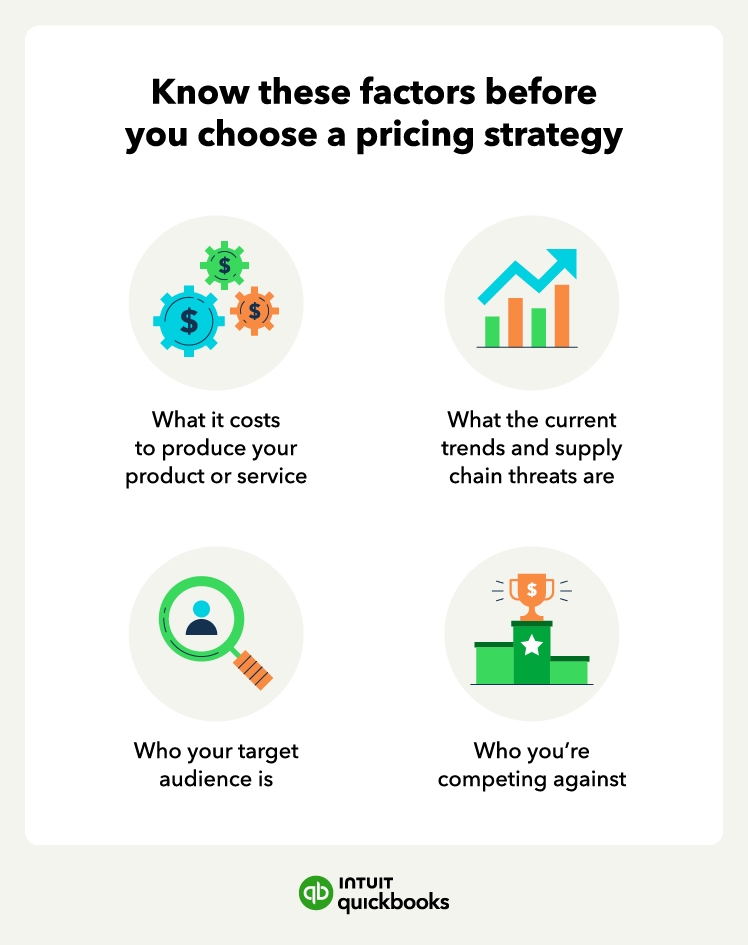
Consider your buyer personas—the imaginary ideal customer you're trying to serve. Ask yourself and research: How much are they willing to pay? What are their pain points and habits? How much purchasing power do they have?
3. Determine your value proposition
Understand how you stand out from your competitors and what you have to offer to customers. Write out a clear statement of the value that you provide, whether it's affordability, luxury, or a one-of-a-kind solution.
4. Consider your costs
The costs to produce your product or service will affect your pricing potential. Evaluate how much each unit will cost, such as the cost of goods sold, packing, and shipping, to find a price that profits. Understand how to calculate your wholesale pricing before choosing pricing strategies for your products or services.
5. Analyze your data
Look at past pricing strategies and sales data to determine what works best for your business or how you can improve. To get this right, use financial reporting and insights.