









Ready to turn your vision into a reality in the Constitution State? Whether you're looking to launch a tech startup in New Haven, a boutique shop in Hartford, or a family restaurant in Stamford, Connecticut’s economy and strategic location offer the perfect foundation for success. This step-by-step guide will walk you through everything you need to know about starting your own business in Connecticut, from securing funding to registering your business entity structure.
Get 50% OFF QuickBooks
for 3 months
for 3 months

Connecticut
How to start a business in Connecticut in 14 steps (2025 guide)
Why start a business in Connecticut in 2025?
Starting a business in Connecticut offers numerous advantages, including its strategic location, skilled workforce, and robust infrastructure. Positioned between New York City and Boston, the state provides small businesses access to two of the largest markets in the United States. Connecticut also boasts a highly educated workforce thanks to several prestigious universities and colleges in the state.
When considering how to start a business in Connecticut, there are state programs and incentives designed to foster small business growth. The state also ranks highly in quality of life, with excellent healthcare, education, and recreational options, making it an attractive location for business owners and their employees.
Here are the topics we’ll cover in this step-by-step guide:
- 14 steps to starting a business in Connecticut
- Step 1: Decide what type of industry is best for your business
- Step 2: Conduct industry research
- Step 3: Create a business plan
- Step 4: Choose your business entity: Types of business entities in Connecticut
- Step 5: Secure funds: Connecticut small business funding, loans, and grants
- Step 6: Choose your Connecticut business name and Connecticut DBA
- Step 7: Pick a business location in Connecticut
- Step 8: Find a Connecticut registered agent
- Step 9: Get a Connecticut EIN and file your tax and employer identification documents
- Step 10: Register as a small business in Connecticut
- Step 11: Register for your business license and permits in Connecticut
- Step 12: Secure insurance for your Connecticut small business
- Step 13: Prepare to pay taxes on your business in Connecticut
- Step 14: Set up your business bank account
- Additional resources to get your business started
- Frequently asked questions
14 steps to starting a business in Connecticut
Starting a small business in Connecticut involves several key steps and thorough preparation to ensure success in this competitive market. If you’re considering starting a business in the state, follow these steps and explore small business resources to help get your venture off the ground.
Step 1: Decide what type of industry is best for your business
The first step in starting a small business in Connecticut is to identify the industry that best aligns with your skills, interests, and market demand. Connecticut has thriving industries in finance, insurance, healthcare, technology, manufacturing, and tourism. Exploring these sectors can help you identify opportunities where your unique strengths and passions can meet the needs of the local market.
Need inspiration? Discover various small business ideas to get started.
Step 2: Conduct industry research
Once you have identified the industry, conduct thorough research to understand the market dynamics, conduct a competitive analysis, and discover customer needs. Utilize resources such as AdvanceCT and local chambers of commerce for valuable insights and data.
Step 3: Create a business plan
Create a detailed business plan, which will be your roadmap for your company’s success. It helps guide your operations and shows potential investors, lenders, and partners that you have a clear vision and actionable strategies.
Here’s what you should include in your business plan:
- Executive summary: Provide a concise overview of the entire business plan.
- Company description: Share your company’s mission, background, and the objectives driving your vision.
- Market research and potential: Highlight key insights about your target audience, industry trends, and market opportunities.
- Competitive analysis: Identify your competitors and explain what sets your business apart.
- Products and services: Outline what you’re offering, how it works, and the value it provides to customers.
- Marketing and sales: Lay out your approach for attracting and keeping customers.
- Business financials: Include forecasts for revenue, expenses, and cash flow
- Management and leadership: Introduce the key people behind your business and their relevant skills and experience.
- Funding request: Specify how much funding you need and how you plan to use it.
- Appendix: Attach any extra documents like market research findings, financial details, or operational plans
Numerous resources in the state are available to assist with business planning, including the Connecticut Small Business Development Center (CTSBDC) and regional offices of SCORE, which offer free mentoring and workshops. You should also use a free business plan template to help you get started.
Step 4: Choose your business entity: Types of business entities in Connecticut
When starting a business in Connecticut, choosing the right type of business entity structure is essential. There are several different types, and your choice of a Connecticut business entity will have implications for liability, taxes, and management structure.
Here are the main types of business entities in Connecticut:
Sole proprietorship
A business owned and operated by one person, with no legal distinction between the owner and the business.
General partnership
A business owned by two or more people who share profits, losses, and management responsibilities.
Corporation
A legal entity separate from its owners, with shareholders who have limited liability for the company's debts and obligations.
Limited liability company (LLC)
A hybrid business structure combining the limited liability of a corporation with the tax flexibility of a partnership. Learn more about LLCs.
When choosing a business entity in Connecticut, consult a legal or business advisor who can help you make the best decision for your situation.
For more detailed information and guidance, you can refer to:
Step 5: Secure funds: Connecticut small business funding, loans and grants
Figure out how you’ll secure funding. Startup costs can include everything from registering your business and filing fees to purchasing equipment, securing a location, and marketing your services. For example, filing an LLC in Connecticut costs $120, while additional expenses like insurance, permits, and employee wages can quickly add up.
When starting a small business in Connecticut, several financing options are available to help you get your business off the ground. Here is an overview of each type:
Resources specific to Connecticut include:
Connecticut Small Business Boost Fund
A public-private partnership that provides low-interest loans to small businesses and nonprofits in the state.
DECD
The state's lead agency responsible for strengthening Connecticut’s competitive position in the global economy.
CTSBDC
The Connecticut Small Business Development Center works with a variety of small businesses by providing no-cost advisory services.
For more information, check out these resources on small business grants and loan opportunities.
Step 6: Choose your Connecticut business name & Connecticut DBA
Select the right business name. Your business name should be unique, memorable, and reflective of your brand and services.
Reserve your business name
Search through the Connecticut Secretary of State’s online business registry to verify that your desired name is not already used by another registered business in the state.
Filing a DBA (Doing Business As)
Proceed with the registration process through the Connecticut Secretary of State's office once you have confirmed the availability of your business name. A DBA, or "Doing Business As," is a name under which a business operates that differs from its legal, registered name. When considering how to file a DBA in Connecticut, you also need to file a trade name certificate with the town clerk’s office where your business is located.
Step 7: Pick a business location in Connecticut
Select the right location for your business. Your location can impact everything from your operating costs to your customer base and access to skilled employees. If you’re looking to save on costs, running a business out of your home is a cost-effective option, especially when you're just starting out or don’t need a storefront or large office space.
Connecticut offers diverse environments ranging from urban centers to rural areas, each with unique benefits, including:
Hartford
The "Insurance Capital of the World," Hartford is ideal for businesses in the finance and insurance sectors.
New Haven
Home to Yale University, New Haven offers a thriving atmosphere for tech startups and research-based enterprises.
Stamford
Located just 30 miles from NYC, Stamford provides businesses with easy access to one of the largest markets in the world while benefiting from lower operating costs.
Bridgeport
As a coastal city, Bridgeport has a strategic advantage with its deep-water port, facilitating international trade and shipping.
Step 8: Find a Connecticut registered agent
A registered agent is an individual or business entity designated to receive legal documents, tax notices, and other official correspondence on behalf of a business. To find a Connecticut registered agent, search online for professional registered agents who can provide service for a fee.
You can also act as your registered agent, provided you are at least 18 years old, have a physical street address in Connecticut, are a state resident, and are available during regular business hours to receive documents.
Step 9: Get a Connecticut EIN and file your tax and employer identification documents
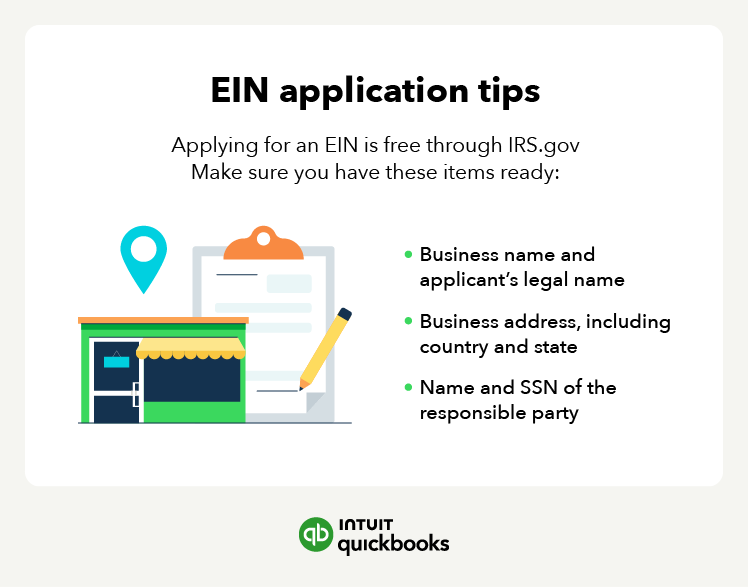
An EIN (Employer Identification Number) is a nine-digit number the IRS uses to identify your business for tax purposes. Although Connecticut doesn't require a state EIN, you'll need one to file payroll taxes and federal tax returns, open a business bank account, and apply for loans. You can apply for a free EIN through the IRS website.
To manage your employee payroll fairly and keep your business compliant, you must adhere to the Connecticut overtime requirements. And to create a fair workplace, stay in compliance, and avoid penalties, your business must follow the Connecticut pay transparency laws.
Step 10: Register as a small business in Connecticut
The requirements for how to register a business in Connecticut vary depending on the type of business entity you choose to establish. Here are some of the specifics for the various types of business entities:
Visit the Connecticut Secretary of State's Business Services website for more detailed information and guidance on each business type.
Step 11: Register for your business license and permits in Connecticut
In Connecticut, the process of registering for a State of Connecticut business license and required permits varies depending on the type of business and the specific activities it will conduct. Registration can be done online through the state's Business One Stop website.
Businesses that sell tangible personal property or services subject to sales tax need a Sales and Use Tax Permit, commonly known as a seller's permit. This permit is required for businesses that sell tangible personal property or services subject to sales tax.
For businesses involved in the sale of alcoholic beverages, an Alcoholic Beverage Control (ABC) license is required. This license is regulated by the Connecticut Department of Consumer Protection (DCP) Liquor Control Division.
Do you need a business license in Connecticut?
Connecticut does not have a general statewide business license requirement, but specific types of businesses may need licenses or permits from state agencies, local municipalities, or both. Additionally, local governments may require business licenses or permits based on the business’s location and operations.
To determine the specific licenses and permits your business may need when starting a business, visit the Connecticut Department of Consumer Protection (DCP) website to check if your business type requires state-level licensing and contact the local city or town hall where your business will be located to inquire about any local licensing requirements.
Step 12: Secure insurance for your Connecticut small business
Small business insurance in Connecticut is not only a wise investment but often a legal requirement, especially for businesses with employees.
Types of small business insurance in Connecticut
These types of insurance include:
For more information, you can consult the Connecticut Insurance Department or speak with a licensed insurance provider in the state.
Step 13: Prepare to pay taxes on your business in Connecticut
Connecticut is known for having relatively high taxes compared to other states, which can be a concern for new business owners. Still, Connecticut also offers several tax credits and incentives designed to help businesses, especially those that contribute to job creation and economic development.
The types of Connecticut business taxes include:
Corporate income tax
Businesses operating as corporations in Connecticut are subject to a corporate income tax.
Sales and use tax
Connecticut imposes a sales tax on the sale of tangible personal property and certain services. Use tax applies to goods or services purchased out of state and used within Connecticut.
Property tax
Local municipalities levy property taxes on real and personal property businesses own.
Unemployment insurance tax
Employers must pay unemployment insurance taxes to fund the state's unemployment insurance program.
Excise taxes
Certain businesses, such as those selling alcohol, tobacco, or fuel, may be subject to additional excise taxes.
Pass-Through Entity (PTE) Tax
Connecticut's Pass-Through Entity (PTE) Tax requires pass-through entities such as S-corporations, partnerships, and LLCs to pay a state income tax at the entity level rather than passing the tax liability to individual members.
Tax Credits and Incentives
Connecticut offers various tax credits and incentives to encourage business growth and development. Those include:
- Research and Development (R&D) Tax Credit: Businesses that incur R&D expenses in Connecticut can claim this credit against their corporate income tax liability. The credit amount is based on the incremental increase in R&D expenditures.
- Urban and Industrial Sites Reinvestment Tax Credit: This credit is available for investments in eligible urban and industrial site projects. It provides a credit of up to 100% of the investment, spread over ten years.
- Job Expansion Tax Credit: Businesses creating new jobs in Connecticut may qualify for this credit. Higher credits are available for hiring veterans, the disabled, and the unemployed.
- Enterprise Zone Benefits: Businesses in designated zones may qualify for various tax benefits, including property tax abatements and corporate business tax credits.
- Angel Investor Tax Credit: Investors funding qualified small businesses in Connecticut can receive a tax credit of up to 25% of their investment.
Federal taxes
In addition to state and local taxes, all businesses must pay applicable federal taxes, including:
- Federal income tax
- Self-employment tax (for sole proprietors and partners)
- Employment taxes (if you have employees), including the Federal Unemployment Tax Act (FUTA tax)
- Excise taxes (for certain industries)
To ensure you understand your federal tax obligations, check out these IRS resources: Publication 334, Tax Guide for Small Business and Publication 583, Taxpayers Starting a Business and Keeping Records
For more detailed information and assistance, consult the Connecticut Department of Revenue Services (DRS) and the Connecticut Department of Economic and Community Development. (CDECD).
Step 14: Set up your business bank account
A dedicated business bank account helps separate personal and business transactions, simplifying bookkeeping, tax filing, and financial planning.
Here are the basic steps and requirements for opening a business bank account in Connecticut and some considerations for managing your business finances.
- Gather all the necessary documentation for your business, such as your EIN, formation paperwork, registrations, permits, and licenses, to open your business bank account.
- Research banks and credit unions to find one that aligns with your needs, whether it’s access to business loans, high-yield savings options, or specialized small business services.
- Start building business credit by using a business credit card for your operational expenses and purchases.
- Organize your finances by choosing accounting software that suits your business's needs and helps streamline financial tracking.
- Consider hiring a professional accountant who understands your industry and local tax laws to manage your bookkeeping and finances
Additional resources to get your business started
There are several state and federal resources that can support your business with guidance, training, potential funding and more.
State resources
- Connecticut Small Business Development Center (CTSBDC): CTSBC provides no-cost business advising services, workshops, and tools to help with business planning, market research, and securing funding.
- Connecticut Department of Economic and Community Development (DECD): The DECD provides grants, loans, and tax incentives to support new and growing businesses in the state.
- Connecticut Innovations: This agency specializes in funding innovative companies and startups through venture capital investments, loans, and support programs.
- AdvanceCT: This organization focuses on economic development in the state by connecting businesses with resources, workforce development programs, and market insights.
Federal resources
- Small Business Administration (SBA): The SBA supports small businesses through various loan programs, including the 7(a) loan, provides resources for government contracting, and offers counseling and training programs to help entrepreneurs start and grow their businesses.
- Grants.gov: This centralized platform simplifies the process of searching for and applying for federal grants across various sectors. It also provides grant writing tips and has a Grants Learning Center featuring the basics of grants, eligibility, and more.
- Small Business Innovation Research (SBIR) and Small Business Technology Transfer (STTR): SBIR and STTR programs provide research and development funding to innovative tech companies.
- SCORE: SCORE is a national nonprofit organization that partners with the U.S. Small Business Administration (SBA) to provide free mentoring and educational resources to entrepreneurs and small business owners. While not a direct federal agency, SCORE is an independent organization with a network of volunteer business mentors across the United States.
- U.S. Department of Agriculture (USDA): The USDA website lists grants, loans, and other programs and resources for farmers and other businesses serving rural America.
Frequently asked questions
Disclaimer:
This content is for information purposes only and information provided should not be considered legal, accounting or tax advice or a substitute for obtaining such advice specific to your business. Additional information and exceptions may apply. Applicable laws may vary by state or locality. No assurance is given that the information is comprehensive in its coverage or that it is suitable in dealing with a customer’s particular situation. Intuit Inc. does not have any responsibility for updating or revising any information presented herein. Accordingly, the information provided should not be relied upon as a substitute for independent research. Intuit Inc. cannot warrant that the material contained herein will continue to be accurate, nor that it is completely free of errors when published. Readers should verify statements before relying on them.
Recommended for you



Get the latest to your inbox
No ThanksLooking for something else?
Call Sales: 1-800-285-4854




